


What Does a Rewindable Motor Mean in a Deep Well Pump?
Views: 0 Author: Site Editor Publish Time: 2026-11-11 Origin: Site


Motor failure within a Deep Well Pump system creates significant operational headaches. When a system stops, you face immediate production losses, expensive emergency extraction, and costly logistics. Many operators rely on standard encapsulated motors, but these units are often treated as "throwaway" assets when they fail. A better alternative exists for high-demand environments: the rewindable motor. This specialized, maintainable architecture allows you to restore performance without replacing the entire unit. By choosing a design that permits internal repairs, you shift from a reactive replacement model to a proactive asset management strategy. This article provides a technical and financial framework to help you evaluate whether a repairable motor architecture aligns with your specific operational requirements. We will cover the mechanics, decision-making thresholds, and implementation risks to ensure you maximize your system uptime and investment efficiency.
Key Takeaways
A rewindable deep well pump motor allows for the internal stator coils to be replaced or repaired, extending the asset's lifespan.
While initial capital expenditure is typically higher, rewindable designs lower the total cost in high-horsepower, industrial, or agricultural applications.
Choosing between a rewind and a replacement pump motor depends on local repair infrastructure, downtime tolerance, and the percentage of repair cost versus new unit replacement.
Evaluating these motors requires understanding specific cooling methods—predominantly water-filled (wet stator) environments.
Understanding the Mechanics of a Rewindable Deep Well Pump Motor
You must understand how these motors differ from standard sealed units. Rewindable motors feature a modular construction that permits access to the internal stator. Unlike encapsulated motors, where the windings reside in a solid block of protective resin, a rewindable motor uses specialized water-resistant insulation on the wire. This insulation, often composed of PVC or advanced PE2/PA materials, allows the coils to operate submerged while remaining physically accessible for removal.
Cooling systems are central to this design. Most rewindable Submersible Pump Motor units utilize water-filled or "wet stator" technology. The surrounding well water circulates within the motor housing, directly absorbing heat from the stator and rotor. This method provides superior thermal management compared to oil-filled alternatives, especially during heavy-duty cycles.
Modularity extends beyond just the windings. During a professional rewinding process, service technicians can easily inspect or replace thrust bearings, mechanical seals, and carbon bushes. By addressing these wear parts during the stator repair, the facility effectively returns the motor to near-OEM specifications. This approach prevents common points of failure that usually condemn a standard sealed unit to the scrap yard.
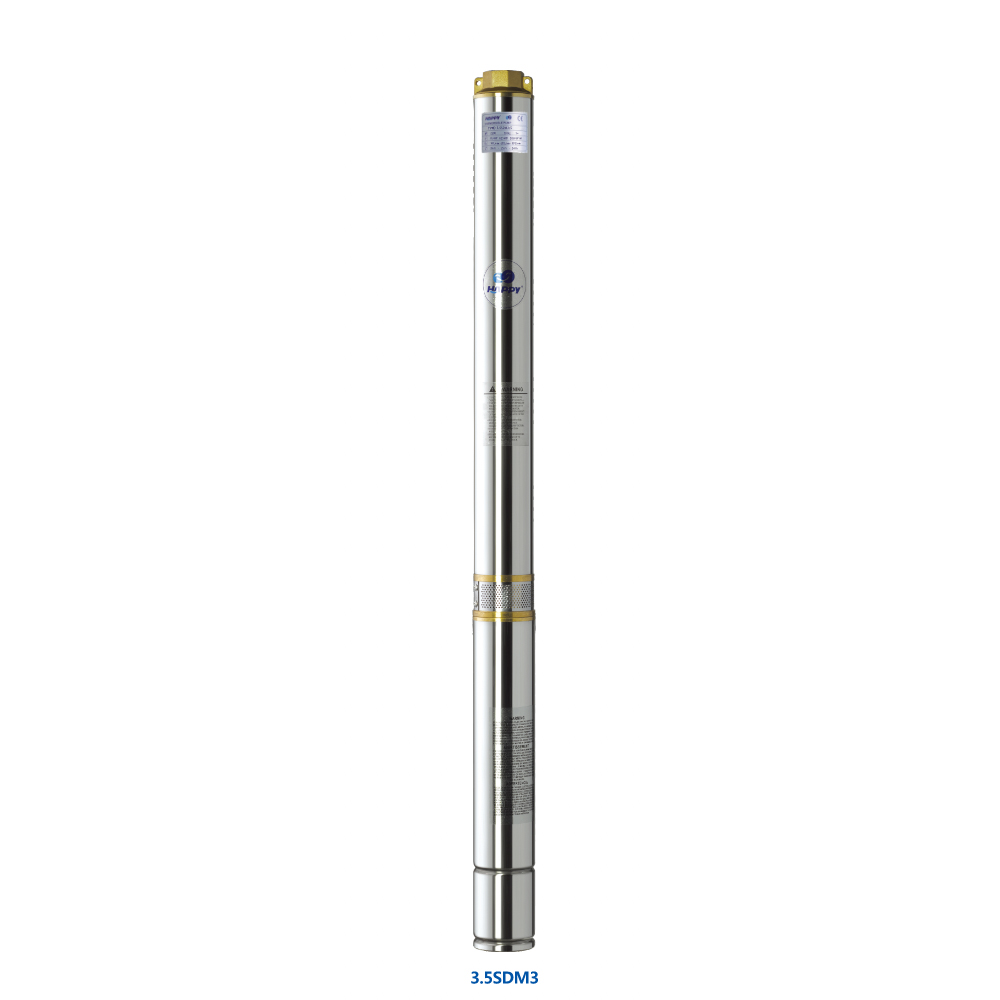
Rewindable vs. Encapsulated Submersible Pump Motors: An Evaluation Framework
Choosing the right motor technology requires a clear understanding of your specific application needs. Encapsulated motors serve well in standard residential or light-commercial settings where service infrastructure is minimal. They offer a lower upfront cost and provide rigid protection against voltage spikes. However, they are essentially disposable; a single internal winding failure means you must discard the entire unit.
Rewindable motors target high-yield municipal, agricultural, and heavy industrial users. While these units command a higher initial purchase price, they offer significant long-term benefits through serviceability. They perform reliably in high-temperature environments where resin cracking in encapsulated models would cause premature failure. Below is a comparison table to help you distinguish between these two design philosophies.
Comparison of Motor Design Philosophies
Feature | Encapsulated Motor | Rewindable Motor |
|---|---|---|
Serviceability | Not repairable | Fully serviceable |
Primary Use | Residential/Light Duty | Municipal/Agricultural |
Initial Cost | Lower | Higher |
Thermal Management | Resin conduction | Water-filled convection |
The Decision Matrix: When to Rewind vs. Buy a Replacement Pump Motor
Making a financial decision regarding motor failure requires a standardized approach. Many maintenance managers follow the "60% Rule." If your estimated cost for a complete rewind, including parts and re-machining, exceeds 60% to 70% of the price of a brand-new Replacement Pump Motor, you should opt for replacement. This threshold accounts for the inherent risks that even a repaired motor will not match the service life of a factory-new unit.
Supply chain realities often dictate your choice as much as the balance sheet. In remote agricultural areas, sourcing a specialized high-horsepower motor can take several weeks. If your local repair shop can complete a rewind in three days, the cost of the repair is justified by the avoided downtime. However, always conduct a thorough root cause analysis before committing funds. If the core laminations show heat damage or the motor casing exhibits severe corrosion, no amount of rewinding will restore the asset's reliability.
Sizing, Sourcing, and Implementation Risks
Implementation failures often stem from poor planning rather than bad hardware. When you integrate a Rewindable Deep Well Pump Motor into an existing system, you must verify the coupling compatibility. Check the spline dimensions and ensure the thrust load ratings meet the demands of your specific pump end. Misalignment here will cause vibration, leading to rapid bearing destruction within weeks of startup.
Flow velocity represents a common, overlooked risk factor. These motors rely on water passing over the jacket to dissipate heat. If you install a large motor in a wide-diameter well, you might achieve insufficient cooling flow. This leads to thermal degradation of the insulation. Always confirm your installation meets the flow velocity requirements specified by the manufacturer.
Power quality also impacts longevity significantly. Using a Variable Frequency Drive (VFD) without an appropriate sine filter can stress the motor windings. Rewindable motors require specific wire insulation ratings to handle the high-frequency voltage pulses common with modern drives. Consult your technician to confirm that your power controls and motor insulation are matched correctly.
Shortlisting Logic and Next-Step Actions
Before investing in a rewindable architecture, perform a local infrastructure audit. You need a certified rewind facility nearby to make this investment viable. If you must ship your motor across the country for service, the logistics costs and extended downtime will quickly erase the financial advantages of a repairable design.
Move your perspective away from the purchase price alone. Adopt a long-term projection model that factors in the expected maintenance cycles. If your application runs 24/7, you should anticipate one major service event every three to five years. Compare that against the cost of buying two complete replacement units over the same period.
When selecting a supplier, demand complete transparency. Ask for the following information before finalizing your purchase:
Thrust bearing load capacity ratings.
Insulation class and temperature rise data.
Specific warranty terms regarding repairs performed by independent, certified shops.
Verified service life expectations for the specific water chemistry in your region.
Conclusion
A rewindable motor is not a universal necessity for every well. However, it functions as a vital strategic asset for operations where downtime is expensive and heavy-duty cycling is the norm. By choosing a repairable model, you gain control over your equipment's lifecycle rather than relying on manufacturer supply chains. Successful implementation requires careful initial sizing, verified cooling flow, and disciplined monitoring of your power systems. Audit your local repair capabilities and use the 60% cost threshold to guide your future maintenance decisions. These actions will ensure your water extraction systems remain both reliable and economically sound for the long term.
FAQ
Q: Can you rewind any submersible pump motor?
A: No. You cannot rewind encapsulated or resin-filled motors. These units seal the windings permanently in solid material. Only motors specifically manufactured with accessible, insulated wire windings are technically capable of being rewound.
Q: Are rewindable deep well pump motors always water-filled?
A: The vast majority of rewindable designs are water-filled, also known as wet stator designs. While some specialized oil-filled motors exist, water-filled designs are the industry standard due to their superior cooling efficiency and environmental safety in groundwater applications.
Q: How many times can a deep well pump motor be rewound?
A: Assuming the core magnetic laminations and the outer casing remain undamaged, you can typically rewind a motor multiple times. However, be aware that efficiency may drop slightly if the core steel degrades from severe overheating over many cycles.
Q: Does rewinding a motor void the manufacturer's warranty?
A: Usually, standard manufacturer warranties are voided if you perform unauthorized modifications or repairs. However, many OEMs have certified service networks. Buyers should clarify whether their chosen repair shop maintains OEM-certified status to ensure warranty coverage remains intact.


