


The Ultimate Guide To Choosing The Best Sludge Pump in 2026
Views: 0 Author: Site Editor Publish Time: 2025-11-28 Origin: Site


Introduction
Choosing the right sludge pump can be a game-changer for your operations. Did you know that the wrong pump can lead to inefficiencies and increased costs? With so many options available, selecting the best one can be daunting.
In this guide, we’ll explore the key factors to consider when choosing a sludge pump for your specific needs. You’ll learn how to match the pump to your sludge type, evaluate energy efficiency, and ensure long-term reliability. By the end of this article, you’ll be equipped to make an informed decision and optimize your pumping system for 2026.
Why Choosing the Right Sludge Pump is Critical in 2026
What is a Sludge Pump and How Does it Work?
Sludge pumps are industrial-grade pumps specifically designed to transport sludge, a semi-solid waste material, from one location to another. Sludge typically contains a combination of water and solid particles, such as waste generated from wastewater treatment plants, mining operations, and other industrial processes. The main function of these pumps is to transport thick, viscous fluids that contain solid matter, which makes them more powerful and robust compared to standard fluid pumps.
In applications like wastewater treatment, for instance, sludge pumps are essential for moving sludge that has been separated from wastewater during the treatment process. These pumps are engineered to handle a high volume of solid matter, which means they are built to be more durable and efficient under demanding conditions. As sludge is dense and heavy, the pumps often need to operate under high pressure to push the sludge through long pipelines or to higher elevations, ensuring efficient transportation even over extended distances.
Key Challenges in Selecting a Sludge Pump for 2026
In 2026, the task of choosing the right sludge pump comes with a few notable challenges. One of the primary considerations is efficiency. Sludge pumps need to move both solid particles and liquid effectively, and as sludge tends to be dense and heavy, they must have sufficient horsepower and flow capacity to do so without overburdening the system.
Another challenge is the need for energy savings. Sludge pumping can be a high-energy process, so selecting a pump that offers optimal energy efficiency is crucial to reducing operational costs. Durability also plays a key role. Sludge often contains abrasive particles, chemicals, or other harsh substances that can cause rapid wear and tear on pumps. Therefore, choosing a pump made from corrosion-resistant materials can greatly extend its lifespan and minimize the need for frequent replacements.
Finally, maintenance costs should always be considered. Over time, pumps that are not regularly maintained can experience performance issues, leading to breakdowns, increased repair costs, and extended downtime. For this reason, it's important to select pumps with easy-to-maintain designs that can be serviced quickly and efficiently, minimizing operational disruptions.
Types of Sludge Pumps: Which One Suits Your Needs?
Centrifugal Pumps for High Flow and Lighter Sludge
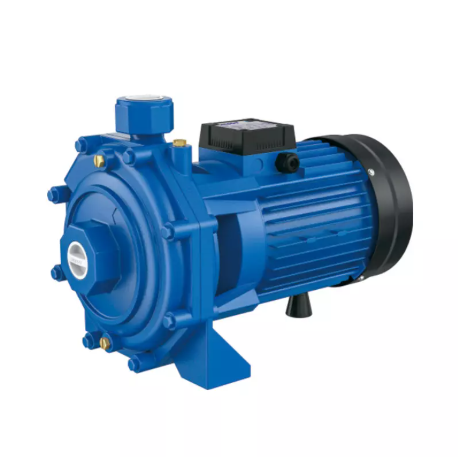
Centrifugal sludge pumps are generally considered ideal for handling lighter sludge, such as water mixed with fine particles. These pumps use a rotating impeller to create a high-speed flow of liquid, which pushes the sludge through the pump and into pipelines, making them suitable for applications that require high flow rates.
The main advantage of centrifugal pumps is their high flow rate, which allows them to handle large volumes of sludge quickly and efficiently. However, centrifugal pumps may not be the best choice for thicker or more viscous sludge. Their efficiency tends to decrease when handling sludge with higher solid content, potentially causing blockages, clogging, or even pump damage.
Positive Displacement Pumps for Thick and Heavy Sludge
For sludge that is thicker or heavier, positive displacement pumps often provide a more reliable solution. These pumps work by trapping a fixed volume of sludge within a chamber and forcing it through the system. This mechanism allows positive displacement pumps to handle more viscous and solid-heavy liquids without losing efficiency.
These pumps are commonly used in applications where the sludge is dense, contains large solids, or is extremely thick, as they can generate higher pressure and maintain a consistent flow. One key characteristic of positive displacement pumps is their ability to perform well even under heavy load, unlike centrifugal pumps, which can struggle with thick sludge. However, positive displacement pumps tend to have lower flow rates compared to centrifugal models, which may be a limiting factor in certain applications.
Specialized Diaphragm and Submersible Pumps for Specific Applications
Diaphragm and submersible sludge pumps are specialized types that are suited for very specific applications. Diaphragm pumps excel in handling sludge that contains a high solids content but requires lower flow rates. They use a flexible diaphragm to create a vacuum, forcing the sludge through the system, which makes them ideal for applications that require high pressure and minimal fluid movement.
Submersible pumps, on the other hand, are designed to operate underwater or in confined spaces. These pumps are particularly advantageous in environments where traditional pumps cannot function, such as sumps or pits that collect sludge. Submersible pumps come in both centrifugal and positive displacement models, providing flexibility for various sludge types and pumping requirements.
Tip: For confined spaces or submerged applications, submersible pumps are a great choice, as they are engineered to function directly in the sludge, saving space and offering easy integration into complex systems.
| Pump Type | Best For | Advantages | Disadvantages |
|---|---|---|---|
| Centrifugal | Lighter sludge, high flow needs | High flow rate, simple design | Less efficient with thick, solid-heavy sludge |
| Positive Displacement | Thick, heavy, or abrasive sludge | Handles high-viscosity sludge, high pressure | Lower flow rate, more complex design |
| Diaphragm | High solids content, low flow | Suitable for high-pressure applications | Lower flow rate, requires regular maintenance |
| Submersible | Confined spaces, submerged areas | Space-saving, versatile for wet environments | Can be prone to clogging, requires regular checks |
Key Factors to Consider When Choosing the Best Sludge Pump
Matching the Pump to Sludge Composition
When choosing a sludge pump, the composition of the sludge you're handling is one of the most critical factors to consider. Sludge can vary widely in terms of its density, abrasiveness, and chemical content. Some sludge, like that from sewage treatment plants, may contain large solid particles, while other sludge types might be more fluid and contain fewer solids.
If your sludge is particularly abrasive, it’s essential to choose a pump made from durable, corrosion-resistant materials, such as stainless steel or other high-strength alloys. Rubber-lined components are also ideal for protecting the pump from excessive wear and tear caused by abrasive materials. For sludge with high chemical content, corrosion-resistant materials will help prolong the pump's life and minimize the risk of breakdowns.
Determining the Required Flow Rate and Pressure
Flow rate and pressure are two of the most important specifications when selecting a sludge pump. The flow rate determines how much sludge the pump can move within a specific period, usually measured in gallons per minute (GPM) or liters per minute (LPM). The pressure, meanwhile, refers to the pump's ability to move sludge over long distances or to lift it to higher elevations.
When selecting a pump, it is essential to ensure that the pump can meet the required flow rate for your system without overloading. Underperforming pumps will not only lead to inefficiencies but also cause increased wear and tear on the equipment. It is also crucial to evaluate the required pressure, particularly if you're moving sludge over long distances or pumping it to higher points, which places additional stress on the pump.
Selecting Durable and Corrosion-Resistant Pump Materials
Sludge is often corrosive, particularly if it contains chemicals such as acids or solvents. Choosing a pump made from durable, corrosion-resistant materials can help protect your investment and ensure long-term reliable operation. Stainless steel and other corrosion-resistant alloys are excellent materials for sludge pumps, as they provide the necessary durability to withstand harsh environments.
Additionally, rubber-lined pumps or those with other protective coatings can help prevent wear and tear caused by abrasive sludge particles. These materials offer significant protection against corrosion and help reduce maintenance needs, ultimately extending the pump's lifespan.
Energy Efficiency and Cost Savings in Pump Selection
Given that sludge pumps are typically used continuously in industrial applications, energy consumption can represent a significant portion of the operating costs. To reduce these costs, it's wise to look for sludge pumps that offer energy-efficient features, such as variable speed drives or high-efficiency motors.
Variable speed drives allow the pump to adjust its speed based on the demand for sludge pumping, which helps save energy during periods of lower sludge flow. Pumps equipped with energy-efficient motors also consume less electricity, resulting in substantial cost savings over time, especially in facilities that run pumps continuously.
| Factor | Description | Key Considerations |
|---|---|---|
| Sludge Composition | Determines viscosity, abrasiveness, and chemical content | Choose durable materials (stainless steel, rubber-lined) |
| Flow Rate | Measures volume of sludge moved over time | Match to your system’s capacity to avoid underperformance |
| Pressure | Ability to move sludge over distance or height | Ensure the pump can handle your specific pressure requirements |
| Materials | Corrosion and wear resistance | Use corrosion-resistant materials for harsh chemicals or abrasive sludge |
Weighing the Cost of Sludge Pumps: Initial Investment vs. Long-Term Savings
Understanding the Total Cost of Sludge Pump Ownership
While the initial purchase price of a sludge pump is an important consideration, it is crucial to also factor in the long-term costs associated with owning the pump. These long-term costs include maintenance, energy consumption, and potential repair costs. Investing in high-quality, durable sludge pumps might require a higher upfront cost, but over time, these pumps tend to incur fewer repair costs and provide better energy efficiency.
Choosing a high-quality pump that is built to last can reduce downtime and prevent the need for frequent replacements, leading to significant savings over the life of the pump.
How to Budget for Maintenance and Repairs
Regular maintenance is a key factor in keeping sludge pumps in optimal condition and reducing the risk of unexpected repair costs. Selecting pumps that are easy to maintain and feature readily available spare parts can help minimize maintenance-related expenses. Pumps with fewer moving parts or simpler designs tend to require less frequent maintenance and have fewer chances of failure.
Additionally, regular inspections and early detection of potential issues are essential for avoiding costly repairs and reducing downtime. A well-maintained sludge pump will run more efficiently, last longer, and ultimately help to reduce overall costs.
Tips for Proper Installation and Ongoing Maintenance of Sludge Pumps
Installing Your Sludge Pump for Optimal Performance
Proper installation is crucial for maximizing the performance of your sludge pump. Ensuring that the pump is installed according to the manufacturer's guidelines, with the correct alignment and proper support, will prevent operational inefficiencies and extend the pump's life. Incorrect installation can lead to issues like misalignment, excessive wear, and even pump failure.
It is also important to install the pump in an accessible location to make future maintenance easier. This will help avoid any complications when troubleshooting or performing repairs down the line.
Regular Maintenance Practices to Extend Pump Life
Routine maintenance is essential for extending the life of your sludge pump and ensuring that it runs efficiently. Tasks such as regular cleaning, checking for wear and tear, and ensuring that all parts are adequately lubricated are essential for maintaining optimal performance.
By scheduling consistent maintenance checks, you can catch small issues before they develop into larger, more costly problems. This proactive approach can minimize unexpected downtime and prevent unnecessary repair costs, keeping your facility running smoothly.
Troubleshooting Common Issues to Avoid Downtime
Common issues that can arise with sludge pumps include clogging, leakage, and power failures. Clogging is typically caused by blockages in the inlet or outlet pipes, while power issues can stem from motor malfunctions or electrical failures. Regularly checking and cleaning the pump can help minimize these issues, ensuring that the pump remains operational.
If you encounter any problems, it's important to address them promptly to avoid prolonged downtime and ensure that your pump is functioning properly.
Conclusion
Choosing the best sludge pump requires careful evaluation of factors such as pump type, durability, energy efficiency, and maintenance needs. It's crucial to assess your facility’s requirements and consult experts for the right decision. High-quality sludge pumps, when maintained properly, ensure long-term efficiency and reduced operational costs.
Staying informed about energy-efficient pump technologies can help optimize your sludge pumping system for the future. Companies like Lanzhou Happy Imp & Exp Co,.Ltd offer reliable pumps that provide exceptional value through durability and performance. Their pumps are designed to meet various industrial needs while reducing costs.
FAQ
Q: What is a Sludge Pump and how does it work?
A: A sludge pump is an industrial pump designed to transport sludge, a semi-solid mixture of water and solid particles. It works by using high pressure to push sludge through pipelines, making it essential for wastewater treatment and other industrial applications.
Q: How do I choose the right Sludge Pump for my facility?
A: When choosing a sludge pump, consider factors such as sludge composition, flow rate, pressure requirements, and material durability. Selecting the right pump ensures efficiency and reduces long-term maintenance costs.
Q: Why is energy efficiency important in Sludge Pump selection?
A: Energy-efficient sludge pumps help reduce operational costs. Pumps with variable speed drives or high-efficiency motors consume less power while maintaining optimal performance, leading to significant cost savings.
Q: What are the benefits of using a Positive Displacement Sludge Pump?
A: Positive displacement pumps handle thick and heavy sludge effectively. They maintain consistent flow and can generate higher pressure, making them ideal for viscous or solid-heavy sludge types.
Q: How can I troubleshoot common issues with my Sludge Pump?
A: Common issues include clogging, leakage, and power failure. Regular maintenance, such as checking for blockages and inspecting motor connections, can prevent these problems and ensure optimal performance.


