


Types of Mechanical Seals for Centrifugal Pumps
Views: 0 Author: Site Editor Publish Time: 2026-01-23 Origin: Site


Centrifugal pumps are vital in many industries. They ensure efficient fluid movement in various applications. However, their effectiveness relies heavily on mechanical seals.
Mechanical seals play a crucial role in preventing leaks and protecting the pump's internal components. Selecting the right type of mechanical seal is essential for optimal performance and longevity.
In this post, you'll learn about the different types of mechanical seals for centrifugal pumps. We’ll explore their features, benefits, and how to choose the best one for your needs.
Understanding Mechanical Seals
What are Mechanical Seals?
Mechanical seals are critical components in centrifugal pumps. They serve the primary purpose of preventing fluid leakage between the rotating shaft and the stationary pump casing. Unlike traditional packing seals, which can wear down over time and require frequent maintenance, mechanical seals provide a more reliable and durable solution.
Key Differences Between Mechanical Seals and Packing Seals:
Feature | Mechanical Seals | Packing Seals |
Leakage Prevention | Excellent, minimal leakage | Higher potential for leakage |
Maintenance | Low, often no need for adjustment | Requires regular maintenance |
Lifespan | Longer, designed for durability | Shorter, needs frequent replacement |
Installation | More complex, requires precision | Simpler, easier to install |
Mechanical seals are designed with two primary friction pairs: a rotating ring and a stationary ring. This design minimizes wear and allows for better sealing performance.
Why are Mechanical Seals Important in Centrifugal Pumps?
In centrifugal pumps, mechanical seals play a vital role in ensuring efficient operation. Their primary function is to prevent fluid leakage, which can lead to significant losses and environmental hazards.
The Importance of Mechanical Seals:
1. Fluid Leakage Prevention: Mechanical seals effectively seal the gap between the rotating shaft and pump casing, keeping the fluid contained. This is crucial for maintaining system pressure and preventing costly leaks.
2. Protection Against Contaminants: They act as a barrier against contaminants that could enter the pump. By keeping dirt and debris out, mechanical seals help maintain the integrity of the pump's internal components.
3. Contribution to Efficiency and Longevity: A well-functioning mechanical seal enhances the overall efficiency of centrifugal pumps. By reducing friction and wear, it contributes to a longer lifespan for both the seals and the pump itself.
Visualizing the Benefits
To illustrate the benefits of mechanical seals, consider the following chart showing the impact of seal performance on pump efficiency:
As shown, mechanical seals significantly outperform packing seals in terms of leakage control and longevity, making them the preferred choice in many applications.
In the context of companies like HAPPY PUMP, the selection of high-quality mechanical seals is a key factor in their product reliability. By using advanced materials like carbon and ceramic, they ensure that their centrifugal pumps operate efficiently and effectively in various environments. This commitment to quality not only enhances performance but also builds trust with customers who rely on their products for critical operations.
Types of Mechanical Seals for Centrifugal Pumps
By Arrangement
Single Mechanical Seals
Single mechanical seals are the most common type used in centrifugal pumps. They consist of one rotating and one stationary sealing face. These seals are typically used in applications where leakage control is essential but not critical. Common uses include water and chemical transfer processes.
Advantages:
● Simple design, making installation easier.
● Lower initial cost compared to dual seals.
Disadvantages:
● Higher risk of leakage in high-pressure situations.
● Requires regular maintenance to ensure optimal performance.
Double (Dual) Mechanical Seals
Double mechanical seals feature two sets of sealing faces, creating an additional layer of protection. They are ideal for hazardous or toxic fluids, where any leakage could pose significant risks. These seals are commonly used in chemical processing and oil refining.
Benefits:
● Enhanced leakage control, providing greater safety.
● Reduced risk of contamination, protecting the pump and environment.
By Assembly
Component Seals
Component seals consist of individual parts that must be assembled on-site. They are often used in standard applications where cost is a concern. While they can be effective, their installation requires skilled technicians for precise fitting.
Pros:
● Lower initial costs compared to cartridge seals.
● Flexibility in design allows for customization.
Cons:
● Installation complexity increases the risk of errors.
● More maintenance is required due to potential misalignment.
Cartridge Seals
Cartridge seals come as pre-assembled units, simplifying installation. They incorporate all necessary components in a single housing, making them easier to replace. This design minimizes assembly errors and reduces downtime.
Advantages:
● Quick installation saves time and labor costs.
● Consistent performance due to factory assembly.
Ideal Applications:
● Used in critical processes where reliability is paramount, such as wastewater treatment and food processing.
By Design Features
Balanced Seals
Balanced seals have a design that distributes hydraulic forces evenly across the sealing faces. This feature makes them suitable for high-pressure applications, such as boiler feed pumps. Their design minimizes heat generation, enhancing seal life.
Characteristics:
● Lower face loading reduces wear.
● Effective in handling low-lubricity fluids.
Unbalanced Seals
Unbalanced seals are often simpler and more economical. However, they experience higher face pressures, which can lead to increased wear over time. These seals are commonly used in lower pressure applications.
Overview:
● Cost-effective for standard applications.
● Not recommended for high-pressure or abrasive environments.
Pusher Seals
Pusher seals utilize a spring mechanism to maintain contact between the sealing faces. This design is beneficial in applications where fluid viscosity varies. However, they require regular maintenance to ensure optimal performance.
Functionality:
● Effective in dynamic environments, providing reliable sealing.
● Wear on the elastomeric components can lead to replacement needs.
Non-Pusher Seals
Non-pusher seals use a bellows design to maintain sealing pressure without moving parts. This makes them ideal for high-temperature and abrasive applications, as they minimize wear and tear.
Benefits:
● Better suited for harsh environments.
● Longer lifespan due to reduced friction.
Summary of Seal Types
Seal Type | Description | Ideal Use Cases | Key Benefits |
Single Mechanical Seals | One rotating and one stationary face | Water and chemical transfer | Easy installation, lower cost |
Double Mechanical Seals | Two sets of sealing faces | Hazardous fluids | Enhanced safety and leakage control |
Component Seals | Individual parts assembled on-site | Standard applications | Customizable, lower initial cost |
Cartridge Seals | Pre-assembled unit | Critical processes | Quick installation, consistent performance |
Balanced Seals | Evenly distributed hydraulic forces | High-pressure applications | Longer seal life, reduced wear |
Unbalanced Seals | Higher face pressures | Lower pressure applications | Cost-effective |
Pusher Seals | Spring mechanism for contact | Dynamic environments | Reliable sealing, requires maintenance |
Non-Pusher Seals | Bellows design | High-temperature, abrasive conditions | Longer lifespan, reduced friction |
In companies like HAPPY PUMP, selecting the appropriate mechanical seal type is crucial for ensuring the efficiency and reliability of their centrifugal pumps. By understanding these various seal types, users can make informed choices that enhance pump performance and longevity.
Specific Mechanical Seal Applications in Centrifugal Pumps
Mechanical Seal Materials
The materials used in mechanical seals are crucial for their performance and longevity. Common materials include carbon, ceramic, and various metals. Each material has unique properties that make it suitable for specific applications.
● Carbon: Often used for its excellent wear resistance and low friction characteristics. It's ideal for applications involving clean liquids.
● Ceramic: Known for its hardness and resistance to abrasion, ceramic is perfect for harsh environments, especially in chemical processing.
● Metals: Stainless steel and other alloys are frequently used for their strength and durability. They are often employed in high-pressure applications.
Importance of Material Selection:
Choosing the right material significantly impacts the seal's durability and performance. For example, using carbon seals in abrasive environments can lead to rapid wear, while ceramic seals may crack under extreme pressure. Therefore, understanding the specific application and operating conditions is essential for optimal seal performance.
Case Study: HAPPY PUMP Centrifugal Pumps
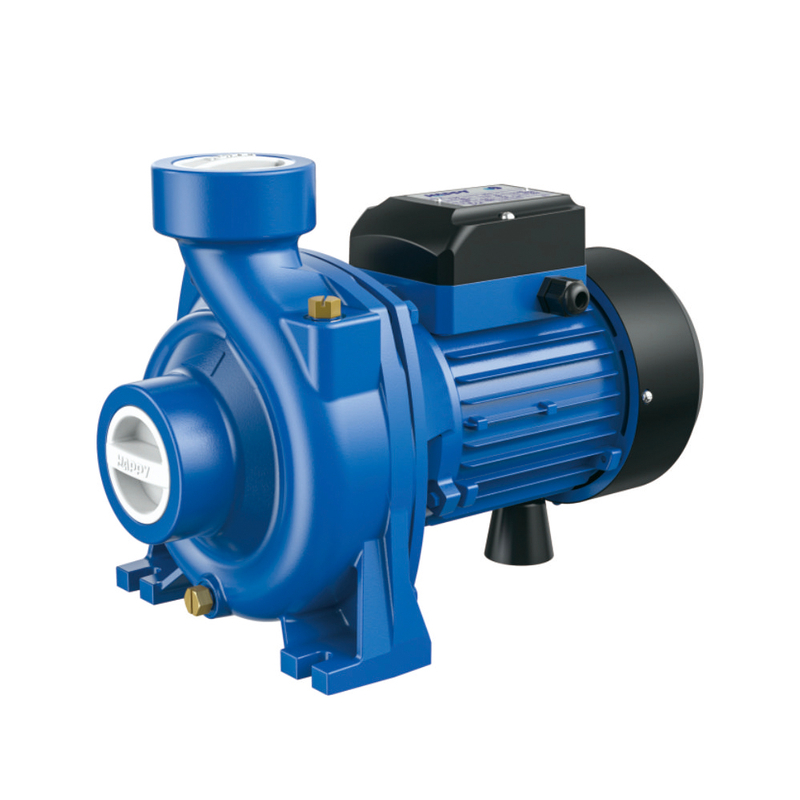
HAPPY PUMP is renowned for its innovative centrifugal pumps designed for various industries, including water treatment, chemical processing, and food production. Their commitment to quality is reflected in the selection of mechanical seals used in their products.
Mechanical Seals in HAPPY PUMP:
HAPPY PUMP utilizes advanced carbon and ceramic mechanical seals in their centrifugal pumps. These materials are chosen for their reliability and performance under various operating conditions. The carbon seals offer excellent lubrication properties, while ceramic seals provide superior resistance to wear and thermal shock.
Reliability Across Applications:
The combination of carbon and ceramic seals ensures that HAPPY PUMP's centrifugal pumps can handle a wide range of fluids, from clean water to more aggressive chemicals. This versatility makes them a preferred choice in many demanding environments.
Material Type | Key Properties | Ideal Applications |
Carbon | Low friction, excellent wear resistance | Clean liquids, general applications |
Ceramic | Hard, abrasion-resistant | Harsh environments, chemical processing |
Stainless Steel | Strong, durable | High-pressure applications |
By focusing on high-quality materials, HAPPY PUMP ensures that their centrifugal pumps deliver reliable performance, minimizing downtime and maintenance costs for their users. This attention to detail not only enhances the efficiency of their pumps but also builds trust with customers who depend on their reliability.
Key Considerations When Choosing Mechanical Seals
Fluid Characteristics
When selecting mechanical seals for centrifugal pumps, understanding fluid characteristics is essential. Key properties such as cleanliness, lubricity, and volatility can significantly influence the seal's performance and longevity.
● Cleanliness: Contaminants in the fluid can cause premature wear on the sealing surfaces. It's crucial to ensure that the fluid is as clean as possible to enhance seal life.
● Lubricity: Fluids with good lubricating properties can reduce friction between the sealing faces, thereby minimizing wear. For instance, oils provide better lubrication than water.
● Volatility: The volatility of a fluid affects how it behaves under different temperature and pressure conditions. Seals must be chosen to withstand the specific vapor pressure of the fluid.
These factors guide the selection process, ensuring that the chosen seal material can handle the specific characteristics of the fluid involved.
Operating Pressure
Operating pressure is another critical factor that impacts seal performance. The pressure within the system affects how the seal interacts with the pump components and the fluid.
Guidelines for Selecting Seals Based on Pressure:
Pressure Range | Recommended Seal Type | Considerations |
Low Pressure (<50 psi) | Standard single seals | Cost-effective, adequate for most applications |
Medium Pressure (50-150 psi) | Balanced mechanical seals | Reduces face loading, ideal for moderate applications |
High Pressure (>150 psi) | Double mechanical seals | Enhanced safety and leakage control |
Choosing the right seal for the operating pressure ensures optimal performance and minimizes the risk of seal failure.
Temperature Considerations
Temperature plays a significant role in the selection of mechanical seals. Different materials respond differently to temperature changes, affecting their performance and lifespan.
For high-temperature applications, it’s essential to choose seals made from materials that can withstand elevated temperatures without degrading.
Recommendations for High-Temperature Applications:
● Material Selection: Use ceramic or specialized elastomers designed for high heat.
● Design Features: Consider seals with better thermal conductivity to dissipate heat effectively.
Understanding the temperature limits of various seal materials helps in selecting the right seal for specific applications.
Safety and Environmental Concerns
Safety is paramount when choosing mechanical seals, especially in industries handling hazardous materials. Selecting the right seal type can prevent leaks and spills, protecting both personnel and the environment.
Importance of Safety in Seal Selection:
● Double Seals: These provide an extra layer of protection against leakage. In critical applications, they can contain any fluid that escapes from the primary seal, reducing the risk of environmental contamination.
Benefits of Double Seals:
● Enhanced safety in handling hazardous fluids.
● Reduced maintenance costs due to fewer leaks and failures.
By considering safety and environmental concerns, you ensure that your centrifugal pumps operate efficiently while minimizing risks.
Conclusion
Selecting the right mechanical seal for centrifugal pumps is crucial for optimal performance.
Factors like fluid characteristics, operating pressure, and temperature must be considered.
By understanding these elements, you can make informed decisions.
For expert advice on mechanical seals for centrifugal pumps, feel free to contact us.


