


Different Types of Centrifugal Pumps
Views: 0 Author: Site Editor Publish Time: 2026-01-26 Origin: Site


Have you ever wondered how water flows smoothly in your home? Centrifugal pumps play a crucial role in this process. These pumps have a rich history and are vital in various industries, from agriculture to manufacturing.
In this post, we’ll explore the different types of centrifugal pumps. You’ll learn about their unique features and applications. Additionally, we’ll highlight HAPPY PUMP, a leading manufacturer in the centrifugal pump market.
How Do Centrifugal Pumps Work?
Centrifugal pumps are essential devices used to move fluids efficiently. Understanding their basic working principle is key to grasping how they function. In essence, a centrifugal pump utilizes rotational energy to convert kinetic energy into fluid movement. This process begins when the pump's impeller spins rapidly, drawing fluid into the pump.
Key Components of a Centrifugal Pump
Several critical components work together in a centrifugal pump:
● Impeller: This rotating part is the heart of the pump. It creates the necessary velocity to move the fluid. As the impeller spins, it generates centrifugal force, pushing the fluid outward.
● Casing: The casing surrounds the impeller and directs the flow of fluid. It helps convert the kinetic energy from the impeller into pressure energy. The design of the casing is crucial for efficient operation.
● Shaft: The shaft connects the impeller to the motor. It transmits the rotational energy from the motor to the impeller, allowing it to spin.
Here’s a simple diagram showing these components:
[Diagram of a Centrifugal Pump]
The Role of Fluid Dynamics in Pump Operation
Fluid dynamics plays a significant role in how centrifugal pumps operate. When the impeller spins, it creates a low-pressure zone at the center, drawing fluid into the pump. The fluid then accelerates as it moves outward, gaining velocity. This increase in velocity is crucial because it leads to an increase in pressure as the fluid exits the casing.
To illustrate this process, consider the following table:
Component | Function |
Impeller | Increases fluid velocity |
Casing | Converts velocity to pressure |
Shaft | Transmits energy from the motor |
Impeller and Rotational Energy Conversion
The impeller is a vital component in converting rotational energy into fluid movement. As it rotates, the blades of the impeller push the fluid outward. This action not only moves the fluid but also increases its pressure.
For example, in HAPPY PUMP’s centrifugal pumps, advanced designs ensure optimal impeller performance. This results in efficient fluid movement across various applications, from residential water supply to industrial processes. The innovative engineering behind these pumps highlights their significance in today’s fluid handling systems.
In summary, understanding how centrifugal pumps work involves recognizing the interplay between their components and the principles of fluid dynamics. This knowledge is essential for selecting the right pump for specific needs and ensuring efficient operation.
Classification of Centrifugal Pumps
Centrifugal pumps can be classified in various ways, depending on their design and function. Understanding these classifications helps in selecting the right pump for specific applications. Here, we will explore the main categories: flow direction, number of stages, and mechanical design.
Classification by Flow Direction
Radial Flow Pumps
Radial flow pumps are designed to move fluid outward from the center of the impeller. The fluid enters axially and exits radially, making them ideal for high-pressure applications. These pumps excel in low-flow scenarios, such as boiler feed systems or fire protection systems. Their ability to generate high pressure while maintaining efficiency is a significant advantage.
Axial Flow Pumps
In contrast, axial flow pumps push fluid parallel to the impeller shaft. This design allows them to move large volumes of liquid at low pressures, making them perfect for applications like irrigation and flood control. They are often used in scenarios requiring a high flow rate without the need for significant pressure increase.
Mixed Flow Pumps
Mixed flow pumps combine features of both radial and axial designs. They offer a balanced approach, providing moderate pressure with high flow rates. These pumps are often used in municipal water supply and industrial processes where varying demands are common.
Classification by Number of Stages
Single-Stage Centrifugal Pumps
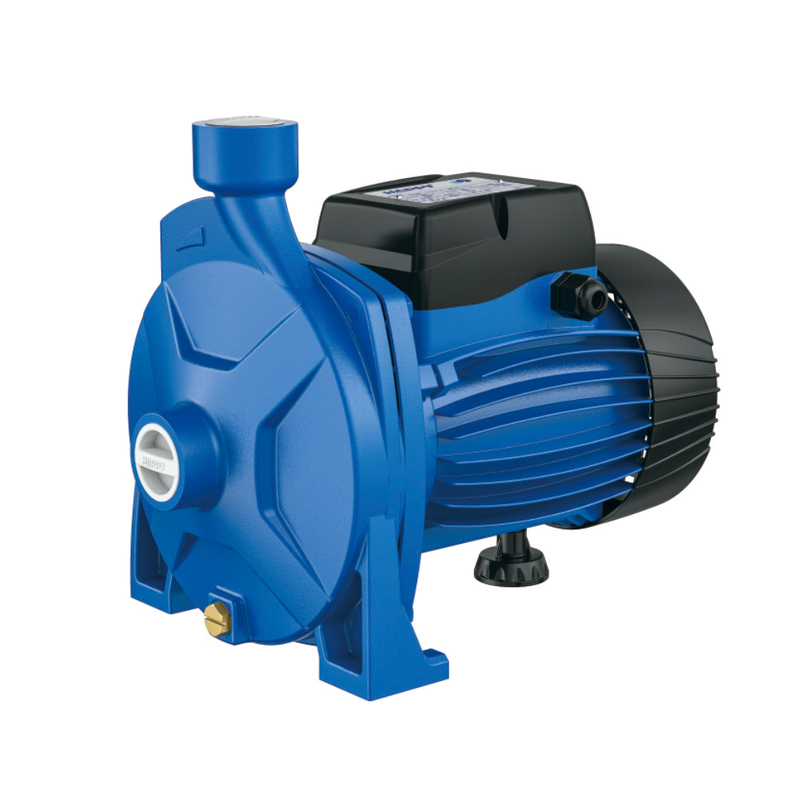
Single-stage pumps feature one impeller and are typically used for low to moderate pressure applications. Common uses include domestic water supply and garden irrigation. The HAPPY PUMP HNF series exemplifies this type, offering reliable performance for everyday needs. Their simple design makes them easy to maintain and operate.
Multi-Stage Centrifugal Pumps
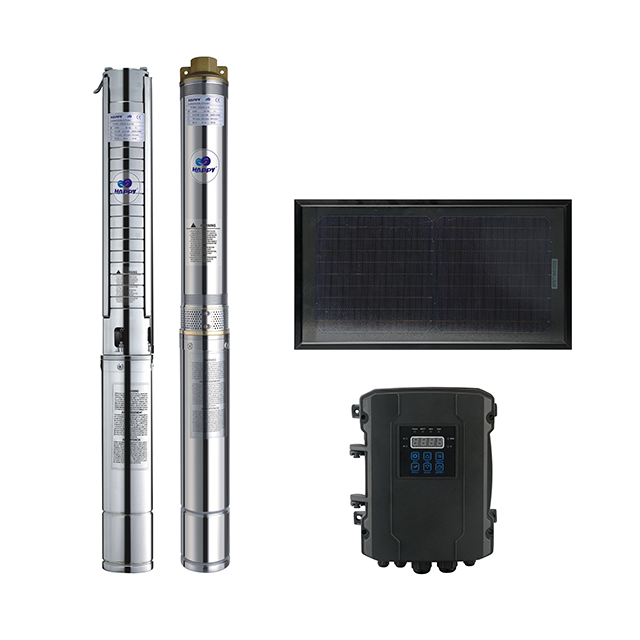
Multi-stage pumps consist of multiple impellers arranged in series, allowing them to generate higher pressures. They are ideal for applications such as high-rise building water supply and industrial processes requiring consistent pressure. The HA series from HAPPY PUMP is well-known for its efficiency in these demanding applications.
Classification by Mechanical Design
End-Suction Pumps
End-suction pumps are among the most common types in industrial settings. They feature a simple design where the fluid enters from one end and is discharged at the top. Their straightforward construction makes them easy to install and maintain, often used in water treatment and chemical processing.
Split-Case Pumps
Split-case pumps allow for easy access to internal components, which simplifies maintenance. They are typically used in larger systems where reliability is crucial, such as in HVAC applications. Their design enables efficient operation and minimizes downtime.
Vertical Turbine Pumps
These pumps are designed for deep well applications, featuring a vertical shaft that extends down into the water source. They are efficient for extracting groundwater and are commonly used in agricultural irrigation.
Submersible Pumps
Submersible pumps operate fully submerged in the fluid they are pumping. They are widely used in sewage and wastewater treatment applications. Their sealed design prevents damage from water ingress, ensuring long-term reliability.
Self-Priming Pumps
Self-priming pumps, like the HAPPY PUMP HQSm-AX series, are designed for convenience. They can automatically remove air from the suction line, eliminating the need for manual priming. This feature makes them ideal for domestic applications, such as draining basements or drawing water from wells.
Pump Type | Key Features | Common Applications |
Radial Flow Pumps | High pressure, low flow | Boiler feed, fire protection |
Axial Flow Pumps | High flow, low pressure | Irrigation, flood control |
Mixed Flow Pumps | Balanced pressure and flow | Municipal water supply, industrial use |
Single-Stage Pumps | Simple design, easy maintenance | Domestic water supply, irrigation |
Multi-Stage Pumps | Higher pressure, multiple impellers | High-rise buildings, industrial processes |
End-Suction Pumps | Easy installation and maintenance | Water treatment, chemical processing |
Split-Case Pumps | Accessible design for maintenance | HVAC applications |
Vertical Turbine Pumps | Designed for deep well applications | Groundwater extraction |
Submersible Pumps | Operates underwater, sealed design | Sewage, wastewater treatment |
Self-Priming Pumps | Automatic air removal, convenient operation | Domestic applications |
Key Features of Centrifugal Pumps
Centrifugal pumps are widely recognized for their efficiency and versatility. Understanding their key features helps in selecting the right pump for various applications. Here, we’ll delve into energy efficiency, maintenance requirements, fluid compatibility, and quality assurance.
Energy Efficiency and Operational Costs
One of the standout features of centrifugal pumps is their energy efficiency. These pumps are designed to optimize power consumption while delivering high flow rates. By using advanced materials and designs, manufacturers like HAPPY PUMP ensure that their pumps operate at peak efficiency. This not only reduces energy costs but also minimizes environmental impact.
For example, energy-efficient pumps can lead to significant savings over time. A well-designed centrifugal pump can reduce operational costs by as much as 30%. Here’s a quick comparison of energy consumption in different pump types:
Pump Type | Energy Consumption |
Centrifugal Pumps | Low |
Positive Displacement Pumps | Moderate to High |
Gear Pumps | Moderate |
Maintenance Requirements and Ease of Service
Another important aspect is the maintenance of centrifugal pumps. These pumps are generally easy to service, thanks to their straightforward design. Most components can be accessed without extensive disassembly, which saves time and labor costs. Regular maintenance tasks, such as checking seals and bearings, can be performed quickly, ensuring minimal downtime.
HAPPY PUMP emphasizes user-friendly designs in their products, making maintenance hassle-free. For instance, many of their models feature easily replaceable parts, reducing the need for specialized tools. This ease of service is crucial for industries where uptime is critical.
Compatibility with Various Fluids
Centrifugal pumps are highly versatile when it comes to fluid compatibility. They can handle a wide range of fluids, including water, chemicals, and slurries, depending on the materials used in their construction. Factors such as viscosity and temperature play a significant role in selecting the right pump.
HAPPY PUMP offers a variety of centrifugal pumps designed to accommodate different fluid properties. For example, some models are specifically engineered for high-viscosity liquids, while others are optimized for hot or corrosive fluids. This adaptability makes them suitable for various applications, from wastewater treatment to chemical processing.
Quality Assurance and Certifications
Quality assurance is a vital feature of centrifugal pumps. Reputable manufacturers, like HAPPY PUMP, adhere to strict quality standards. Certifications such as ISO 9001 and CE mark ensure that their products meet international safety and performance standards.
These certifications not only guarantee reliability but also enhance customer confidence. When selecting a centrifugal pump, looking for these quality indicators is essential. Here’s a brief overview of common certifications:
Certification | Description |
ISO 9001 | Quality management standards |
CE | Compliance with European health, safety, and environmental standards |
API | Standards for pumps used in the petroleum industry |
Understanding these key features will help you make informed decisions when choosing a centrifugal pump. Whether you’re considering energy efficiency, ease of maintenance, fluid compatibility, or quality assurance, these factors play a crucial role in pump performance and longevity.
Applications of Centrifugal Pumps
Centrifugal pumps are versatile devices used in various applications across multiple industries. Their ability to efficiently move fluids makes them essential in domestic, industrial, and commercial settings. Let’s explore some of these applications in detail.
Domestic Applications
Centrifugal pumps play a crucial role in everyday domestic tasks. They are commonly used for:
● Water Supply and Irrigation: These pumps ensure a steady flow of water for household use and agricultural irrigation. They can efficiently transport water from wells or municipal sources to homes and fields. For instance, HAPPY PUMP offers models specifically designed for residential water supply, ensuring reliability and efficiency.
● HVAC Systems: In heating, ventilation, and air conditioning systems, centrifugal pumps circulate water and refrigerants. This circulation is vital for maintaining comfortable indoor temperatures. Their efficiency helps reduce energy costs, making them a popular choice in residential and commercial HVAC systems.
Industrial Applications
In industrial settings, centrifugal pumps are indispensable in various processes. Their applications include:
● Chemical Manufacturing: These pumps handle a wide range of chemicals, from corrosive liquids to viscous substances. They are designed to withstand harsh conditions, ensuring safe and efficient transport of chemicals during production.
● Food and Beverage Processing: In the food industry, centrifugal pumps are used to move liquids such as juices, sauces, and dairy products. They meet stringent hygiene standards, ensuring product safety and quality. HAPPY PUMP provides specialized pumps that cater to the unique needs of food processing.
● Wastewater Treatment: Centrifugal pumps are essential in moving wastewater through treatment facilities. They help in transporting sludge and other by-products, ensuring effective wastewater management. Their robust design allows them to handle solid particles and varying fluid viscosities.
Here’s a summary of industrial applications:
Application | Description |
Chemical Manufacturing | Transporting a variety of chemicals safely |
Food and Beverage Processing | Moving liquids while meeting hygiene standards |
Wastewater Treatment | Handling wastewater and sludge efficiently |
Commercial Applications
Centrifugal pumps also find extensive use in commercial applications. They are crucial for:
● Fire Protection Systems: These pumps ensure a reliable water supply for fire suppression systems. They are designed to deliver high pressure to effectively combat fires, providing peace of mind in commercial buildings.
● Cooling Systems in Power Plants: In power generation, centrifugal pumps circulate cooling water to maintain optimal temperatures. This circulation is vital for efficient plant operation and safety.
Centrifugal pumps are integral to various sectors, ensuring efficient fluid movement in diverse applications. With companies like HAPPY PUMP offering a wide range of pumps tailored for these needs, users can find reliable solutions for any fluid handling challenge.
Advantages and Disadvantages of Centrifugal Pumps
Centrifugal pumps are widely used across various industries due to their unique benefits and some limitations. Understanding these advantages and disadvantages helps users make informed decisions about their applications. Let’s explore both sides of the coin.
Advantages
Centrifugal pumps come with several key benefits:
● High Efficiency and Flow Rates: One of the most significant advantages of centrifugal pumps is their ability to achieve high flow rates. They can efficiently move large volumes of fluid, making them ideal for applications requiring rapid fluid transfer. This efficiency translates into lower energy costs, which is a major plus for businesses.
● Simplicity in Design and Operation: The design of centrifugal pumps is relatively simple, consisting mainly of an impeller and a casing. This simplicity leads to easier operation and maintenance. Users find it straightforward to troubleshoot and service these pumps, which reduces downtime and operational costs.
● Versatility in Application: These pumps are incredibly versatile, suitable for a wide range of fluids, including water, chemicals, and slurries. Their adaptability makes them valuable in domestic, industrial, and commercial settings. For instance, HAPPY PUMP offers a variety of models tailored for different applications, ensuring users can find the right pump for their needs.
Here’s a quick overview of the advantages:
Advantage | Description |
High Efficiency and Flow Rates | Moves large volumes quickly, reducing energy costs |
Simplicity in Design and Operation | Easy maintenance and operation, lowering downtime |
Versatility in Application | Suitable for various fluids across multiple industries |
Disadvantages
Despite their many benefits, centrifugal pumps do have some limitations:
● Limitations in Handling High-Viscosity Fluids: Centrifugal pumps struggle with high-viscosity fluids. The design is optimized for low-viscosity liquids, and when faced with thicker substances, performance can drop significantly. This limitation can lead to inefficiencies and increased wear on the pump.
● Performance Issues with Low Flow Rates: These pumps may experience challenges when operating at low flow rates. At low flows, they can become inefficient, leading to issues such as cavitation, which can damage the pump over time. This makes them less suitable for applications that require precise control at low flow levels.
HAPPY PUMP addresses these challenges through innovative designs. For example, they offer specialized centrifugal pumps that can handle higher viscosities by incorporating features like adjustable impeller designs or using materials that reduce friction. This adaptability ensures that users can still rely on centrifugal pumps in various scenarios without compromising performance.
In summary, while centrifugal pumps offer numerous advantages such as high efficiency and versatility, they also face challenges in specific applications. Understanding these aspects allows users to choose the right pump for their needs effectively.
Conclusion
Understanding the different types of centrifugal pumps is essential for effective fluid management. Each pump has unique features suited for specific applications. When selecting a pump, assess your needs to ensure optimal performance.
HAPPY PUMP is committed to quality and innovation, providing reliable solutions in the pump industry. Their diverse range of products meets various requirements, ensuring customers find the right pump for their applications.
FAQ
Q: What are the most common types of centrifugal pumps?
A: The most common types include radial flow, axial flow, and mixed flow pumps. Each type serves different applications based on flow direction and pressure requirements.
Q: How do I maintain a centrifugal pump?
A: Regular maintenance includes checking seals, bearings, and impellers. Ensure proper lubrication and monitor for leaks to maintain efficiency.
Q: What factors affect the efficiency of a centrifugal pump?
A: Efficiency is influenced by fluid viscosity, impeller design, pump speed, and system resistance.
Q: Can centrifugal pumps handle solids in the fluid?
A: Standard centrifugal pumps struggle with solids. However, specialized designs can manage slurries or fluids with small particles.
Q: What is the difference between centrifugal and positive displacement pumps?
A: Centrifugal pumps move fluid using rotational energy, while positive displacement pumps trap fluid and force it through the system, making them suitable for high-viscosity fluids.


