


How To Prevent Centrifugal Pumps From Being Damaged by Dry Running
Views: 0 Author: Site Editor Publish Time: 2026-01-21 Origin: Site


Are you aware that dry running can severely damage your centrifugal pump? This common issue, known as centrifugal pump deadheading, can lead to costly repairs and downtime.
Centrifugal pumps are essential in various applications, from agriculture to industrial processes. However, when they operate without sufficient liquid, the risk of damage increases significantly.
In this post, you’ll learn what dry running is, why it matters, and how to prevent it. We’ll explore effective strategies to ensure your pump operates efficiently and lasts longer.
The Risks of Dry Running in Centrifugal Pumps
What Happens During Dry Running?
Dry running occurs when a centrifugal pump operates without sufficient liquid. This condition can lead to severe mechanical and thermal damage. As the pump runs dry, friction increases between the moving parts, generating excessive heat. This heat can quickly escalate, resulting in several critical problems.
Overview of Mechanical and Thermal Damage
The primary issues caused by dry running include:
● Increased Heat Generation: When the pump lacks liquid, the motor continues to run, converting energy into heat instead of doing useful work. This heat can reach dangerous levels, potentially causing the fluid inside the pump to vaporize.
● Mechanical Damage: The lack of lubrication from the liquid can lead to premature wear on essential components like bearings and seals. Over time, this wear can cause parts to fail or break down entirely.
● Thermal Stress: The continuous heat can lead to thermal expansion of materials, which may cause cracks or warping in the pump casing and other components.
Type of Damage | Description |
Heat Generation | Excessive heat from friction can vaporize the liquid. |
Seal Damage | Mechanical seals can crack or wear out due to overheating. |
Bearing Failure | Bearings may seize or fail from lack of lubrication. |
Motor Burnout | Motors can overheat and fail under excessive load. |
Consequences of Centrifugal Pump Deadheading
Centrifugal pump deadheading refers to the situation where the pump runs without any flow due to a closed discharge valve or blockage. This condition poses several risks:
● Increased Heat Generation: As mentioned earlier, the pump continues to run, leading to heat buildup. This heat can eventually cause the liquid to boil, creating vapor that disrupts the cooling flow.
● Damage to Mechanical Seals and Bearings: The mechanical seals, which are crucial for preventing leaks, can overheat and fail. Likewise, bearings may experience excessive wear, leading to failure.
● Risk of Catastrophic Failure: Prolonged deadheading can lead to severe consequences, such as ruptured pump casings or leaks in the system. These failures can result in costly repairs and downtime.
Example from HAPPY PUMP
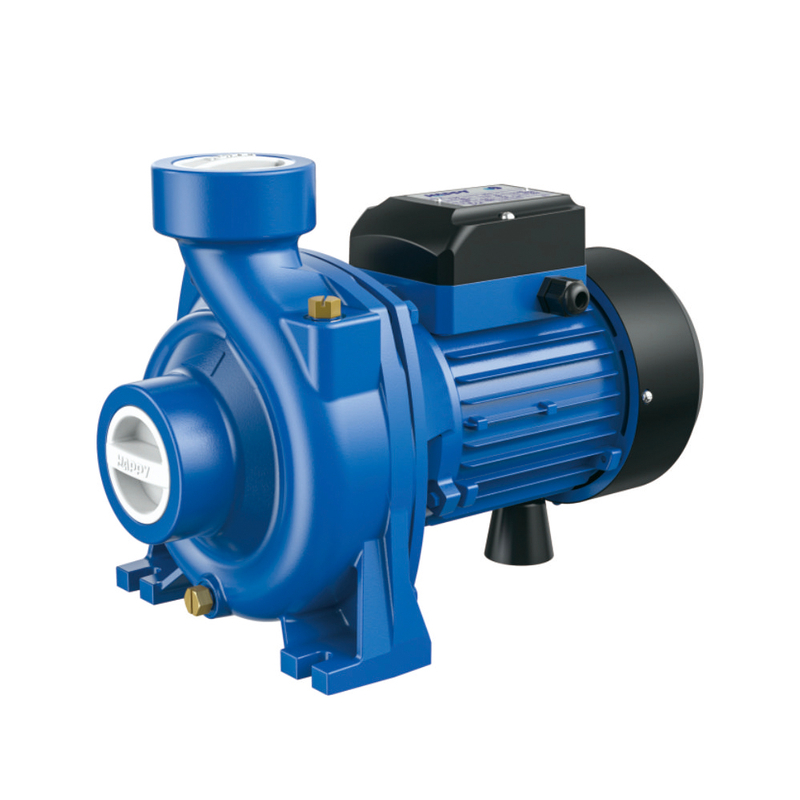
HAPPY PUMP designs its centrifugal pumps with durability in mind. Their pumps feature advanced mechanical seals made from carbon and ceramic materials. These seals are engineered to withstand mild overheating, providing an additional layer of protection against dry running. By investing in high-quality components, HAPPY PUMP ensures that their pumps maintain performance even in challenging conditions.
In summary, understanding the risks associated with dry running and deadheading is essential for maintaining the longevity of centrifugal pumps. Awareness of these issues can help operators take proactive measures to prevent damage and ensure optimal performance.
Identifying the Signs of Dry Running
How to Detect Dry Running Conditions?
Detecting dry running conditions in centrifugal pumps is crucial for preventing damage. Monitoring motor load and input power are effective methods to identify potential issues. When a pump runs dry, it often draws more current as it struggles to operate without sufficient liquid. This increased load can signal a problem.
Key Indicators:
● Motor Load: A sudden spike in motor load may indicate dry running. Operators should regularly check the load readings to catch anomalies early.
● Input Power: Monitoring input power is another reliable method. An increase in power consumption without corresponding flow can suggest that the pump is deadheading.
Importance of Temperature Sensors and Flow Meters
Temperature sensors and flow meters play vital roles in detecting dry running conditions. These devices provide real-time data on pump performance and help identify potential issues before they escalate.
● Temperature Sensors: These sensors monitor the pump's temperature, alerting operators to overheating conditions. If the temperature exceeds safe limits, it may indicate dry running.
● Flow Meters: These instruments measure the flow rate of the liquid. A drop in flow rate can signal that the pump is not operating correctly, possibly due to a blockage or dry running.
Detection Method | Description |
Motor Load Monitoring | Checks for unusual spikes in electrical load. |
Input Power Monitoring | Measures power consumption for signs of deadheading. |
Temperature Sensors | Alerts for overheating conditions. |
Flow Meters | Detects changes in flow rate, indicating potential issues. |
Common Symptoms of Dry Running
Recognizing the common symptoms of dry running can help operators take immediate action. Some typical signs include:
● Unusual Noises: A pump running dry may produce grinding or whining sounds. These noises indicate that components are struggling without lubrication.
● Vibrations: Excessive vibrations can signal that the pump is not operating smoothly. This could be due to wear on bearings or other components.
● Changes in Pump Performance: A noticeable drop in pressure or flow rate often indicates dry running. If the pump struggles to maintain its usual output, it’s time to investigate.
HAPPY PUMP’s Approach
HAPPY PUMP takes proactive measures to minimize the symptoms of dry running in their centrifugal pumps. Their design includes advanced features that enhance reliability and performance.
● Robust Engineering: HAPPY PUMP's pumps are engineered to withstand challenging conditions. They incorporate high-quality materials and precision manufacturing processes.
● Monitoring Technology: Many models come equipped with built-in sensors that monitor temperature and flow, allowing for real-time adjustments. This technology helps prevent dry running by alerting operators to potential issues before they cause damage.
By focusing on these aspects, HAPPY PUMP ensures that their pumps operate efficiently, reducing the risk of dry running and extending the life of the equipment.
Best Practices to Prevent Dry Running
Proper Installation and Setup
Ensuring proper installation is crucial for preventing dry running in centrifugal pumps. One of the first steps is to install the suction line correctly. A well-designed suction line minimizes the risk of air leaks, which can lead to pump cavitation and ultimately dry running. Operators should check for any potential leaks or blockages before starting the pump.
Key Installation Tips:
● Suction Line Design: The suction line should be as short and straight as possible. This design reduces friction losses and helps maintain a consistent liquid flow.
● Follow Manufacturer Guidelines: Always adhere to the installation guidelines provided by the manufacturer. These instructions are tailored to ensure optimal performance and longevity of the pump.
Installation Aspect | Best Practices |
Suction Line Design | Short and straight for minimal friction loss. |
Leak Checks | Inspect for leaks or blockages before operation. |
Manufacturer Guidelines | Follow specific instructions for installation. |
Use of Self-Priming Pumps
Choosing the right type of pump can significantly reduce the risk of dry running. Self-priming centrifugal pumps are designed to draw liquid into the pump without requiring external assistance. This feature is particularly beneficial in applications where the liquid source may be lower than the pump.
Advantages of Self-Priming Pumps:
● Automatic Priming: These pumps can automatically clear air from the suction line, ensuring they operate effectively even in challenging conditions.
● Reduced Maintenance: Self-priming pumps typically require less maintenance due to their ability to handle air and vapor better than standard pumps.
Specific Models from HAPPY PUMP
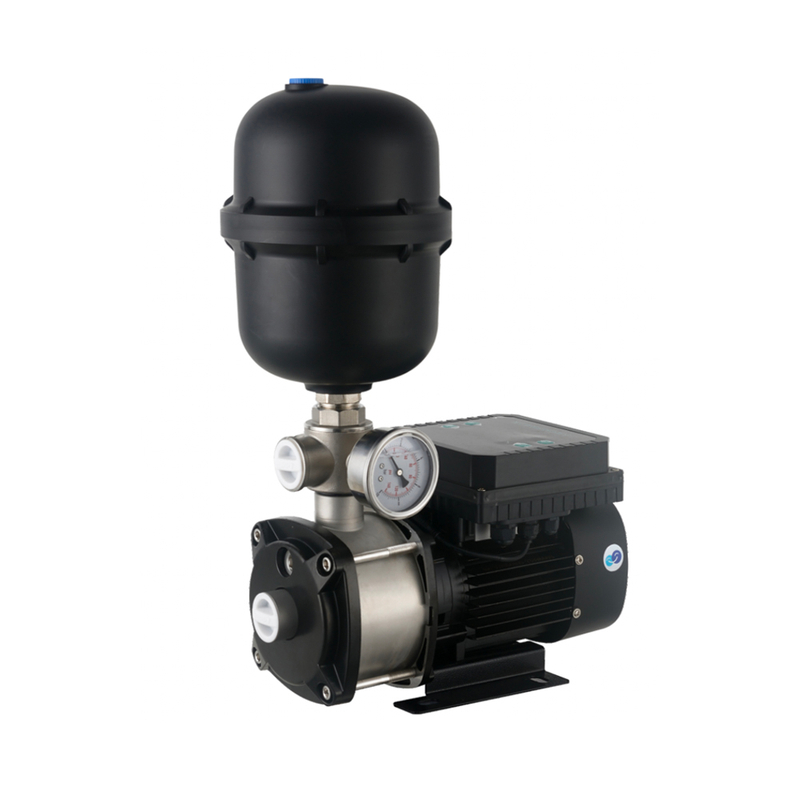
HAPPY PUMP offers a range of self-priming centrifugal pumps, including the HQSm-AX model. This model is specifically engineered to minimize the risks associated with dry running.
● Efficient Liquid Draw: The HQSm-AX excels at quickly drawing liquid into the pump, even from low-level sources. This efficiency helps prevent dry running and enhances overall performance.
● Durability Features: Constructed with high-quality materials, the HQSm-AX is designed to withstand the rigors of various applications while maintaining reliable operation.
By implementing proper installation techniques and choosing self-priming pumps like the HQSm-AX from HAPPY PUMP, operators can significantly reduce the risk of centrifugal pump deadheading and ensure longer-lasting performance.
Design Features That Help Prevent Dry Running
Durable Mechanical Seals
One of the critical design features in preventing dry running is the use of durable mechanical seals. These seals are essential for maintaining the integrity of the pump and preventing leaks. High-quality materials play a significant role in ensuring that these seals can withstand extreme conditions.
● Importance of Quality Materials: Using superior materials in pump design increases reliability. Mechanical seals made from carbon and ceramic materials offer enhanced performance and durability, reducing the risk of failure during operation.
● Benefits of Carbon/Ceramic Seals: These materials are known for their excellent wear resistance and ability to handle high temperatures. They create a robust barrier that minimizes the chances of leakage, ensuring the pump operates smoothly even under challenging conditions.
Seal Material | Benefits |
Carbon Seals | Excellent wear resistance and durability. |
Ceramic Seals | High temperature tolerance and low friction. |
Combined Seals | Enhanced performance and prolonged pump life. |
Protective Motor Designs
Another vital aspect of pump design is the protective features of the motor. A well-designed motor can significantly enhance resilience against overheating, which is crucial for preventing dry running.
● Enhanced Resilience: Features such as cooling fins and thermal overload protection help maintain safe operating temperatures. These design elements ensure that the motor does not overheat, thus preventing potential damage.
● Insulation Classes and Protection Ratings: Understanding insulation classes is essential. Motors are rated based on their ability to withstand heat. For instance, insulation class B indicates a maximum temperature of 130°C, which is suitable for many applications. Additionally, protection ratings like IP44 ensure that the motor is safeguarded against dust and water splashes, further enhancing reliability.
HAPPY PUMP’s Specifications
HAPPY PUMP integrates these design features into their products effectively. Their centrifugal pumps utilize a two-pole induction motor with insulation class B and a protection class of IP44. This combination provides excellent thermal resistance and ensures that the motor operates efficiently under various conditions.
● Two-Pole Induction Motor: This design allows for higher efficiency and better performance, particularly in demanding environments.
● Insulation Class B and IP44 Rating: These specifications ensure that the motor operates safely without overheating and is protected from environmental factors.
By incorporating durable mechanical seals and protective motor designs, HAPPY PUMP’s centrifugal pumps are engineered to minimize the risks associated with dry running. These design features contribute to the longevity and reliability of the pumps, making them a smart choice for various applications.
Operational Procedures to Avoid Dry Running
Training Operators on Pump Operation
Educating operators about the proper use of centrifugal pumps is critical for preventing dry running. Understanding the dangers associated with dry running empowers staff to take proactive measures.
● Importance of Education: Training programs should cover the risks of dry running, including potential damage to the pump and costly repairs. When operators are aware of these dangers, they are more likely to follow safe operating procedures.
● Guidelines for Starting and Stopping Pumps: Clear guidelines should be established for safely starting and stopping pumps. Operators need to know how to check the suction line for blockages and ensure that the pump is primed before operation. This knowledge helps prevent situations where the pump runs dry.
Training Focus | Key Points |
Understanding Risks | Educate on the consequences of dry running. |
Safe Operation | Provide clear steps for starting and stopping pumps. |
Emergency Procedures | Teach how to respond to unusual noises or vibrations. |
Regular Maintenance Checks
Regular maintenance is essential for ensuring the efficient operation of centrifugal pumps. Routine inspections help identify wear and tear before they lead to significant issues.
● Importance of Inspections: Regular checks can prevent unexpected failures and extend the life of the pump. Operators should inspect seals, bearings, and other critical components to ensure they are functioning correctly.
● Recommended Maintenance Schedules: Establishing a maintenance schedule tailored to the specific pump application is crucial. Regular intervals for inspections, such as monthly or quarterly, can help maintain optimal performance.
Maintenance Task | Frequency | Purpose |
Seal Inspection | Monthly | Check for wear and potential leaks. |
Bearing Check | Quarterly | Ensure smooth operation and prevent failure. |
Motor Insulation Test | Bi-Annually | Verify insulation integrity to prevent overheating. |
HAPPY PUMP’s Maintenance Recommendations
HAPPY PUMP emphasizes the importance of regular inspection as part of their maintenance protocol. They recommend focusing on two key areas:
● Mechanical Seals: Regularly inspecting mechanical seals for wear is crucial. These seals are the first line of defense against leaks and should be replaced at the first sign of degradation.
● Motor Insulation: Checking the motor's insulation is vital to prevent overheating. HAPPY PUMP suggests testing insulation integrity to ensure the motor operates within safe temperature limits.
By implementing these operational procedures, including thorough training and regular maintenance, organizations can significantly reduce the risk of centrifugal pump deadheading. This proactive approach not only protects equipment but also enhances overall operational efficiency.
Conclusion
Preventing dry running in centrifugal pumps is essential. Key points include proper installation, operator training, and regular maintenance checks.
These practices help avoid centrifugal pump deadheading, ensuring efficient operation.
By prioritizing pump health, you enhance operational efficiency and reduce costly repairs.
For expert advice or to purchase reliable pumps designed to resist dry running, contact HAPPY PUMP today.


