


When To Use A Booster Pump: Key Benefits And Applications
Views: 0 Author: Site Editor Publish Time: 2025-11-27 Origin: Site


Introduction
Have you ever experienced weak showers or inefficient appliances due to low water pressure? It’s a common issue that can disrupt daily tasks and even damage plumbing systems. That’s where a booster pump comes in.
In this article, we will explore how a booster pump can solve low water pressure problems. You’ll learn when to use it, how it works, and its benefits in both residential and industrial settings.
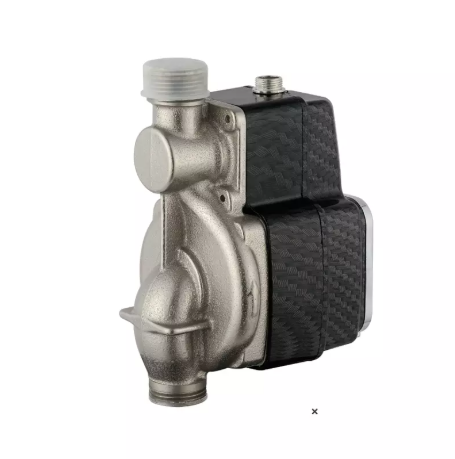
What is a Booster Pump and How Does It Solve Water Pressure Issues?
How a Booster Pump Enhances Water Pressure
A booster pump is a device that boosts the pressure of water in a plumbing system. It works by drawing water from the existing supply, amplifying its pressure, and pushing it through the system. These pumps are commonly used in situations where the main water supply doesn't provide enough pressure, such as high-rise buildings or areas with low municipal water pressure. A booster pump ensures that water is delivered at the correct pressure, reaching faucets, showers, and toilets at the required force.
In residential applications, a booster pump ensures that water reaches the top floors of buildings with enough pressure. For commercial buildings, it guarantees consistent pressure across multiple floors. Meanwhile, industrial applications rely on booster pumps to maintain consistent pressure for manufacturing lines, cooling systems, and irrigation systems, preventing disruptions that could hinder operations.
Key Components of a Booster Pump
A typical booster pump consists of several key components:
Impeller: The rotating part of the pump that moves water through the system. The impeller creates the force needed to increase pressure and water flow.
Motor: Powers the impeller to spin and generate the necessary pressure to move water through the plumbing system.
Pressure Sensors: These sensors monitor the pressure within the system, ensuring the pump operates within the required range. These sensors regulate the pump’s performance to maintain steady pressure.
These components work together to generate high pressure, helping water travel efficiently across various distances. Whether it’s pushing water to the top of a skyscraper or to a factory’s cooling system, the pump ensures that water is delivered with the right pressure to meet the system’s needs.
Why Choose a Booster Pump Over Other Water Pressure Solutions?
There are multiple ways to increase water pressure, such as using larger pipes or installing higher-capacity pumps. However, these methods can be costly and inefficient in some cases. A booster pump, on the other hand, is typically more affordable and efficient because it integrates directly into existing plumbing systems, requiring minimal modification.
Booster pumps are specifically designed to boost water pressure, not to replace or overhaul existing infrastructure. They are easier to install and maintain, consume less energy, and can be more cost-effective compared to larger pumps or extensive pipe changes. This makes booster pumps a practical solution for both residential and commercial water pressure issues.
| Feature | Booster Pump | Larger Pipes | Higher-Capacity Pumps |
|---|---|---|---|
| Cost | Affordable, minimal setup | Expensive, requires extensive changes | High initial investment |
| Efficiency | Energy-efficient | Often inefficient | Can waste energy if oversized |
| Installation | Easy, integrates with existing system | Requires major infrastructure changes | Complex, may require full system redesign |
| Maintenance | Low maintenance | High maintenance | Frequent checks needed |
| Ideal Use | Low pressure issues, limited space | Large-scale projects | Heavy-duty industrial use |
Common Situations That Require a Booster Pump
Low Water Pressure in Residential Buildings
Many homes, especially multi-story buildings or properties in rural areas, suffer from low water pressure due to long plumbing runs or inadequate municipal supply. A booster pump can address this by increasing pressure and ensuring consistent flow to all faucets, showers, and toilets, especially those on higher floors or farther from the main water source.
In a typical high-rise building, water pressure tends to decrease as it rises. Installing a booster pump in the system ensures that every floor receives sufficient water pressure, preventing issues such as weak showers or water shortages in distant areas of the building. Rural properties often face similar issues, where municipal water supply pressure is not sufficient to reach remote homes, making a booster pump crucial for providing a reliable water source.
High Water Demand in Commercial and Industrial Settings
In commercial and industrial buildings, consistent water pressure is vital to accommodate high water demand. Whether it’s for offices, hotels, factories, or retail spaces, booster pumps help maintain pressure during peak usage times when the demand for water is high.
For instance, hotels with multiple floors require steady pressure for guest rooms, kitchens, and restrooms. Without a booster pump, water pressure may fluctuate, resulting in weak showers or inefficient operations in commercial kitchens. Factories also rely on booster pumps to maintain pressure for machinery, cooling systems, and industrial processes, preventing operational downtime.
Water Flow Over Long Distances or Heights
When water needs to be transported over long distances or to elevated areas, additional pressure is often necessary. Booster pumps are ideal for such situations, particularly in agriculture or large facilities where water must travel long distances or up to higher elevations.
For example, agricultural systems use booster pumps to push water from wells or reservoirs to fields, ensuring consistent water flow for irrigation. Similarly, in tall commercial buildings or factories, booster pumps ensure that water reaches the top floors or remote areas with adequate pressure, keeping systems operational and minimizing water shortages.
Addressing Fluctuating Water Pressure
Fluctuating water pressure is a common problem in many areas, caused by variations in municipal water supply or changes in water usage. Booster pumps help stabilize pressure, ensuring consistent flow and performance for critical systems like fire suppression or cooling systems.
In industrial settings, where cooling systems or fire sprinklers depend on a stable water supply, fluctuations in water pressure can be detrimental. A booster pump stabilizes this pressure, preventing equipment malfunctions and ensuring reliable performance during emergencies or peak operational periods.
The Benefits of Using a Booster Pump in the Right Conditions
Improved Water Distribution Across Systems
Booster pumps ensure that water is evenly distributed across plumbing systems, providing adequate pressure throughout the system, whether it’s for a multi-story building or a large industrial facility. They help prevent low-pressure issues in distant parts of the system by boosting pressure where needed.
In a commercial office building, for instance, booster pumps help ensure that water reaches the highest floors and distant areas with sufficient pressure. In industrial applications, they ensure that all parts of the factory receive the necessary pressure to maintain smooth operations.
Cost Savings and Energy Efficiency
A properly selected booster pump can lead to long-term cost savings. Energy-efficient models are designed to consume less electricity while maintaining optimal performance. This reduces operational costs and minimizes the environmental impact of pumping systems.
By choosing an energy-efficient booster pump, businesses can optimize energy use while ensuring that water pressure is consistently maintained. Variable speed pumps, which adjust output based on real-time demand, are particularly effective in reducing energy consumption and lowering electricity bills.
Enhanced System Reliability and Reduced Wear
Maintaining proper water pressure is critical to prolonging the life of plumbing systems and reducing wear on pumps and pipes. Booster pumps help prevent pressure drops that could damage plumbing fixtures and other system components.
For example, in industrial systems, where pressure drops can lead to issues like pump cavitation (a destructive process where air bubbles form in water), booster pumps ensure stable pressure and prevent unnecessary wear and tear. By providing consistent pressure, booster pumps also extend the life of other system components, reducing the need for frequent repairs.
Protecting Critical Systems from Low Pressure
Certain systems, such as fire suppression or cooling systems, rely on consistent water pressure to function properly. Without adequate pressure, these systems may fail, leading to safety risks and operational disruptions.
In a hospital, for example, where water is essential for medical equipment, sanitation, and fire protection, a booster pump ensures that water pressure remains at the necessary levels to support these critical functions. Similarly, in industrial settings, booster pumps help maintain the required pressure for cooling systems, ensuring equipment stays operational and preventing overheating or other failures.
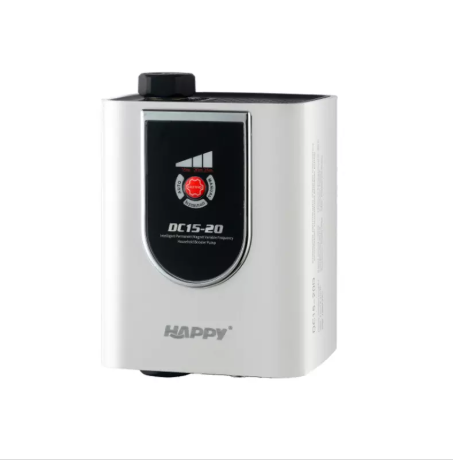
Key Applications of Booster Pumps Across Industries
Residential Applications
Booster pumps are frequently used in homes to address water pressure issues, particularly in multi-story buildings or rural areas where municipal water pressure is weak. These pumps ensure that water reaches every faucet, shower, and appliance at the right pressure, improving comfort and convenience.
For instance, in a multi-story apartment building, water pressure naturally decreases as it moves upward. A booster pump can help ensure that the top floors receive sufficient pressure for daily activities, such as showering or cleaning. In rural areas, where water pressure may be insufficient, a booster pump provides a reliable source of water to the entire home.
Commercial and Industrial Buildings
Booster pumps are essential in large commercial and industrial buildings, where high water demand requires stable pressure across multiple floors or distant areas. Hotels, office buildings, and factories rely on booster pumps to maintain water pressure for a variety of needs, from showers to industrial cooling.
In office buildings, booster pumps ensure that water reaches every floor and every area of the building. In industrial environments, where water is used for cooling systems or machinery, booster pumps maintain pressure to prevent disruptions and ensure smooth operations. By maintaining a steady supply of water, these pumps improve both efficiency and safety.
Specialized Uses: Pools, Fountains, and Water Treatment
Booster pumps are also used in specialized applications, such as maintaining pressure in swimming pools, fountains, and water treatment plants. These systems require a constant supply of water at the correct pressure to ensure proper functioning and efficiency.
For instance, in a large resort with a swimming pool, a booster pump helps circulate water and maintain filtration. Similarly, in water treatment plants, booster pumps are used to move water through filtration systems, ensuring the treated water is properly processed and ready for use.
| Industry | Application Example | Purpose |
|---|---|---|
| Residential | Multi-story homes, rural properties | Ensure consistent water pressure in high-rise buildings or homes with low municipal supply |
| Commercial | Hotels, office buildings, shopping centers | Provide water pressure across multiple floors and areas during peak demand |
| Industrial | Factories, cooling systems, irrigation | Maintain pressure for machinery, cooling systems, or agricultural irrigation |
| Specialized Uses | Swimming pools, fountains, water treatment plants | Maintain pressure in water features and filtration systems |
Considerations Before Installing a Booster Pump
Sizing the Right Booster Pump for Your Needs
Choosing the correct booster pump size is critical to ensuring the system’s efficiency. The pump’s capacity should match the water pressure and flow requirements of the system. An undersized pump will struggle to maintain pressure, while an oversized pump will waste energy and increase operational costs.
Professional consultation is often recommended to accurately assess the required pump size, ensuring the system operates efficiently without overspending on energy or equipment.
| Factor | Description | Example |
|---|---|---|
| Flow Rate | The volume of water the pump can handle | 10 GPM for residential, 100 GPM for industrial |
| Pressure Requirement | The pressure needed to reach the desired area | 60 PSI for a home, 120 PSI for commercial systems |
| Pipe Size and Distance | The diameter of pipes and distance water must travel | 1-inch pipe for short distances, 2-inch for long runs |
| Power Availability | The motor’s power to handle the required pressure and flow | 1HP motor for small systems, 5HP for larger setups |
| Energy Efficiency | Choosing an energy-efficient model | Variable speed pump for fluctuating demand |
Energy Efficiency Considerations
Energy efficiency is an important consideration when selecting a booster pump. Energy-efficient models help reduce long-term operational costs by consuming less power while maintaining optimal water pressure. Choosing a pump with features like variable speed controls helps reduce energy consumption, especially in systems where water demand fluctuates.
Installation and Maintenance Requirements
Proper installation of the booster pump is essential to ensure its efficiency and longevity. A professional installer will ensure the pump is integrated correctly into the plumbing system, preventing future operational issues. Regular maintenance, including cleaning and pressure checks, is necessary to keep the pump operating smoothly and prevent failures.
Conclusion
Booster pumps are essential for maintaining consistent water pressure and flow in systems of all sizes. By selecting the right booster pump, you can enhance efficiency, reduce energy use, and prolong the life of plumbing systems. Whether in residential, commercial, or industrial settings, the right pump ensures reliable water distribution.
For businesses, investing in energy-efficient booster pumps leads to cost savings and dependable performance. Lanzhou Happy Imp & Exp Co,.Ltd provides high-quality booster pumps that deliver exceptional value, ensuring systems run smoothly and efficiently.
FAQ
Q: What is a booster pump and how does it work?
A: A booster pump is a device that increases water pressure in a plumbing system. It amplifies the pressure of the water from the existing supply to ensure consistent flow to areas with low pressure, such as upper floors or distant locations.
Q: When should I use a booster pump?
A: You should use a booster pump when your water pressure is insufficient for daily tasks, such as in multi-story buildings, rural areas, or industrial applications. It helps maintain consistent water flow in high-demand areas.
Q: Why do I need a booster pump for my home?
A: If your home experiences low water pressure, especially in multi-story buildings, a booster pump can ensure adequate pressure for showers, faucets, and other plumbing fixtures.
Q: How does a booster pump save energy?
A: Energy-efficient booster pumps adjust their operation based on real-time demand, reducing energy waste while maintaining optimal water pressure.
Q: What are the main advantages of using a booster pump?
A: Booster pumps provide consistent water pressure, enhance system efficiency, reduce wear on plumbing components, and lower long-term operational costs, ensuring reliable performance.
Q: Can a booster pump help with fluctuating water pressure?
A: Yes, a booster pump stabilizes water pressure during fluctuations, ensuring systems like cooling or fire suppression maintain consistent flow when needed most.


