


What Are Multistage Pumps
Views: 0 Author: Site Editor Publish Time: 2026-01-16 Origin: Site


Have you ever wondered how water reaches the top floors of skyscrapers? The answer often lies in multistage pumps. These powerful devices are essential in various industries, providing high pressure for diverse applications.
In this article, we will explore what multistage pumps are and why they are crucial. You'll learn about their design, functionality, and the significant role they play in everyday operations. We will also highlight HAPPY PUMP, a leading manufacturer in this field, known for its innovative solutions.
How Do Multistage Pumps Work?
Basic Working Principle of Multistage Pumps
Multistage pumps are designed to increase fluid pressure through a series of impellers. Each impeller is a rotating component that adds energy to the fluid. This design allows the pump to achieve significantly higher pressures than single-stage pumps.
As the fluid enters the pump, it first flows into the suction inlet. Here, it is drawn into the first impeller. The impeller spins rapidly, imparting velocity to the fluid, which is then pushed into a diffuser. This component converts the fluid's velocity into pressure.
Sequential Pressure Building
One of the key features of multistage pumps is their ability to build pressure incrementally. Each impeller stage adds more energy, resulting in a sequential increase in pressure.
For example, consider a multistage pump with three impellers. The fluid enters the first impeller, where it gains initial pressure. It then flows into the second impeller, where it receives additional pressure. Finally, the fluid reaches the third impeller, resulting in a much higher exit pressure.
Stage | Impeller Number | Pressure Increase |
1 | 1 | Initial Pressure |
2 | 2 | Increased Pressure |
3 | 3 | Maximum Pressure |
This design allows multistage pumps to deliver high pressure efficiently, making them ideal for various applications.
Constant Flow Rate and Efficiency
Another important aspect of multistage pumps is their ability to maintain a constant flow rate. Despite the increase in pressure, the flow rate remains relatively stable for a given speed. This consistency is crucial for applications that require reliable performance, such as irrigation and industrial processes.
Energy efficiency is also a significant benefit. By distributing the pressure increase across multiple impellers, these pumps can operate with smaller motors, reducing energy consumption.
HAPPY PUMP designs emphasize stability and efficiency, ensuring that their multistage pumps perform consistently across different applications. Their innovative engineering allows for optimal flow rates while minimizing energy use, making them a preferred choice for many industries.
Types of Multistage Pumps
Horizontal Multistage Pumps
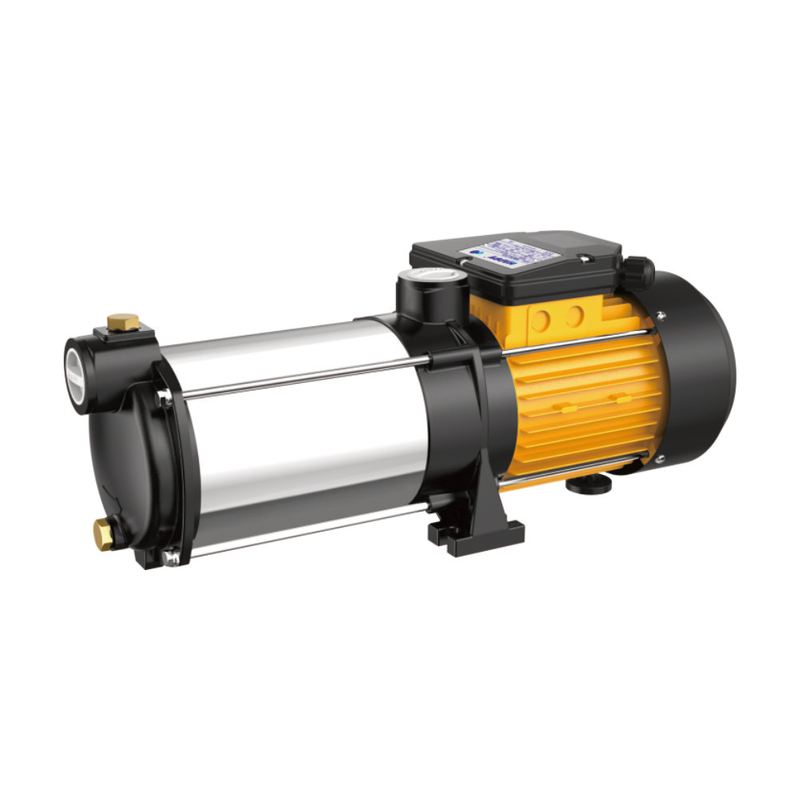
Horizontal multistage pumps are widely used for their versatility and efficiency. They feature multiple impellers arranged in a horizontal configuration, which allows for high flow rates and pressure capabilities. These pumps are commonly found in applications such as water supply, irrigation, and industrial processes.
Characteristics:
● High flow capacity: Ideal for large-scale operations.
● Compact design: Easier to install and maintain in tight spaces.
● Versatile applications: Suitable for both clean and slightly contaminated fluids.
Specific Models from HAPPY PUMP:
● HMC170-SH: This model is designed for high flow rates, making it perfect for agricultural irrigation.
● HMC145-SH: Known for its energy efficiency, this pump is often used in municipal water systems.
Vertical Multistage Pumps
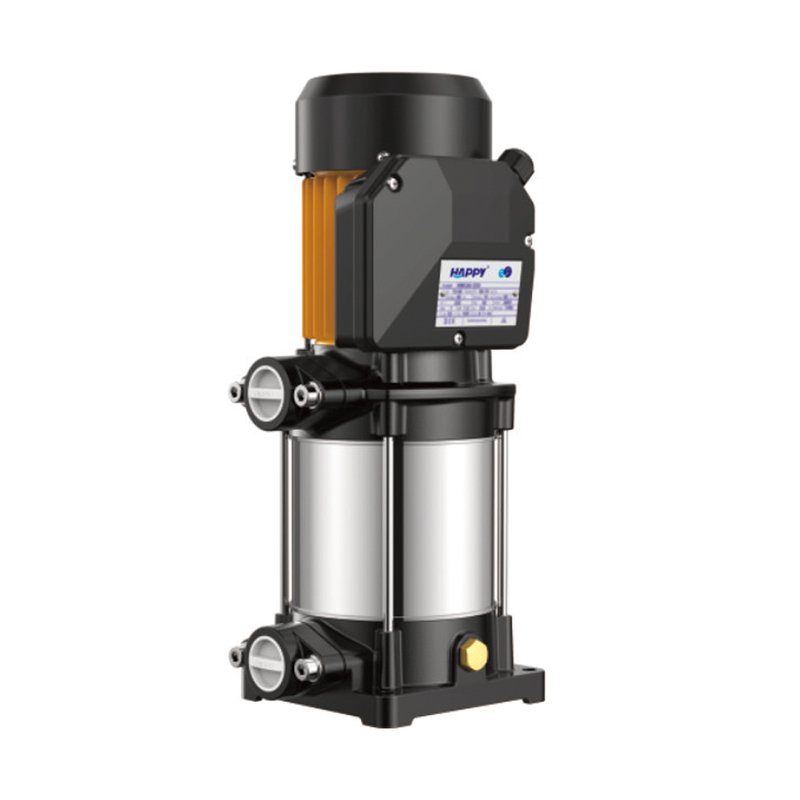
Vertical multistage pumps are designed to save space while delivering high performance. They have a vertical orientation, which makes them ideal for installations with limited floor space. These pumps are commonly used in high-rise buildings and booster stations.
Advantages and Typical Uses:
● Space-saving design: Perfect for tight areas where horizontal pumps cannot fit.
● Efficient operation: Provides high pressure with lower energy consumption.
● Commonly used in: Water treatment facilities, fire protection systems, and cooling towers.
HAPPY PUMP’s Vertical Models:
● HMC-SV Series: These pumps are engineered for high efficiency and reliability, making them a favorite in various industrial applications.
Submersible Multistage Pumps
Submersible multistage pumps are designed to operate underwater. They are ideal for deep well applications and can handle various fluid types, including clean water and wastewater.
Design Features and Applications:
● Sealed motor: Protects against water ingress, enhancing durability.
● High efficiency: Capable of lifting water from great depths.
● Commonly used in: Well water extraction, drainage, and dewatering applications.
Other Variants
Apart from the common types, there are other specialized multistage pumps to consider.
● Side Channel Pumps: These pumps are designed to handle fluids containing solids or gases. They are often used in applications like chemical processing and wastewater treatment.
● Sanitary Multistage Pumps: Built for hygienic applications, these pumps are used in food and pharmaceutical industries. They ensure that the fluid remains uncontaminated during transport.
Pump Type | Key Features | Common Applications |
Horizontal Multistage | High flow, compact design | Water supply, irrigation |
Vertical Multistage | Space-saving, efficient | High-rise buildings, cooling |
Submersible Multistage | Sealed motor, deep lifting | Well extraction, drainage |
Side Channel Pumps | Handles solids/gases | Chemical processing, wastewater |
Sanitary Multistage | Hygienic design | Food, pharmaceutical industries |
These various types of multistage pumps cater to a wide range of needs, ensuring efficient fluid transfer across different sectors.
Key Technical Parameters of Multistage Pumps
Flow Rate Specifications
Flow rate is a critical parameter for any pump, and multistage pumps are no exception. They are designed to handle a wide range of flow rates, which makes them versatile for various applications. For instance, HAPPY PUMP offers models that can deliver anywhere from 60 L/min to over 400 L/min. This range allows users to select the right pump based on their specific needs, whether for irrigation, industrial processes, or water supply systems.
Head Capacity
Head capacity refers to the height to which a pump can raise water. Multistage pumps excel in this area due to their design, which allows for increased pressure at each impeller stage. Many vertical models can achieve head heights of up to 30 meters. This capability is vital for applications requiring water to be lifted from deep sources or delivered to elevated locations, such as high-rise buildings.
Voltage and Power Requirements
Understanding the voltage and power requirements is essential when selecting a multistage pump. Most models, including those from HAPPY PUMP, operate on 220V. This standard voltage is suitable for various settings, from residential to industrial applications. It's important to ensure that the power supply matches the pump's specifications to guarantee optimal performance.
Drive Types
Multistage pumps can be powered by different types of drives. The most common is electric, which provides reliable and efficient operation. However, there are also options for hydraulic drives, which can be advantageous in certain industrial settings. Electric drives are typically preferred for their ease of use and low maintenance requirements.
Special Features
HAPPY PUMP models often come equipped with special features designed to enhance performance and usability. For example, many pumps are made from food-grade materials, making them suitable for applications in the food and beverage industry. Additionally, self-priming functions are included in several models, allowing them to operate efficiently even when there is a risk of air entering the system.
Parameter | Specifications |
Flow Rate | 60 L/min to over 400 L/min |
Head Capacity | Up to 30 meters for vertical models |
Voltage | Typical 220V for various models |
Drive Types | Electric and hydraulic options available |
Special Features | Food-grade materials, self-priming functions |
These technical parameters play a crucial role in determining the suitability of a multistage pump for specific applications. By understanding these aspects, users can make informed decisions when selecting the right pump for their needs.
Advantages of Using Multistage Pumps
High Lift Performance
One of the standout features of multistage pumps is their high lift performance. These pumps are specifically designed to transport fluids over long distances and to significant heights. This capability is essential in applications like municipal water supply systems and irrigation, where water needs to be lifted from deep sources or delivered to elevated locations.
For instance, HAPPY PUMP’s innovative designs allow for efficient fluid transport, eliminating the need for multiple single-stage pumps. By integrating several impellers, a single multistage pump can achieve the same performance as multiple pumps, saving both space and costs.
Stable and Efficient Operation
Multistage pumps provide stable and efficient operation, ensuring consistent performance across various applications. They maintain a steady flow rate, which is crucial for processes requiring precise fluid delivery. This stability helps in reducing wear and tear on the pump components, leading to longer service life and lower maintenance costs.
In addition, these pumps are designed to operate efficiently, which translates to energy savings. By using a single multistage pump instead of multiple single-stage pumps, users can significantly reduce their energy consumption, making them an environmentally friendly choice.
Versatile Applications
The versatility of multistage pumps is another significant advantage. They find applications in numerous fields, including:
● Agriculture: Used for irrigation systems, ensuring crops receive adequate water supply.
● Municipal Water Supply: Essential for delivering water to households and businesses.
● Industrial Processes: Commonly used in manufacturing and chemical processing for fluid transfer.
HAPPY PUMP offers an extensive product portfolio that caters to diverse needs across these sectors. Their range includes models specifically designed for high efficiency in agricultural applications as well as robust solutions for industrial settings.
Application Area | Typical Uses | Example HAPPY PUMP Models |
Agriculture | Irrigation systems | HMC170-SH, HMC145-SH |
Municipal Water Supply | Water distribution systems | HMC-SV series |
Industrial Processes | Fluid transfer in manufacturing | Custom solutions available |
These advantages make multistage pumps a preferred choice for many industries. Their ability to deliver high performance, efficiency, and versatility ensures they meet the demands of modern fluid transport needs.
Common Applications of Multistage Pumps
High-Rise Buildings
Multistage pumps play a crucial role in high-rise buildings by delivering water to upper floors. As buildings grow taller, the demand for effective water supply systems increases. These pumps are designed to generate the high pressure needed to push water through the vertical plumbing systems, ensuring consistent water availability on every floor. Without multistage pumps, supplying water to the top floors would be inefficient and challenging.
Boiler Feed Water Systems
In power plants, multistage pumps are vital for boiler feed water systems. They ensure a continuous supply of water to boilers, which is essential for generating steam. The efficiency of these pumps directly impacts the overall performance of the power plant, as they help maintain optimal pressure levels. HAPPY PUMP offers reliable models specifically designed for this application, ensuring that power plants operate smoothly and efficiently.
Reverse Osmosis Systems
Multistage pumps are integral to reverse osmosis systems, especially in desalination processes. These pumps create the necessary pressure to force water through semi-permeable membranes, effectively removing salts and impurities. This is crucial for producing fresh water from seawater, making multistage pumps essential in regions where freshwater resources are scarce.
Firefighting Systems
In emergency response situations, multistage pumps are critical for firefighting systems. They provide the high pressure required to deliver water quickly and effectively to combat fires. These pumps are designed to operate under demanding conditions, ensuring that firefighters have the resources they need during emergencies. Their reliability can make a significant difference in saving lives and property.
Industrial Cleaning
High-pressure cleaning applications in various industries also utilize multistage pumps. These pumps are effective in removing dirt, grime, and other contaminants from surfaces, making them ideal for cleaning equipment, machinery, and facilities. The efficiency of HAPPY PUMP products in this area has led to successful implementations across many sectors.
Application Area | Specific Uses | Example HAPPY PUMP Models |
High-Rise Buildings | Water delivery to upper floors | HMC-SV series |
Boiler Feed Water | Continuous supply for steam generation | HMC170-SH, HMC145-SH |
Reverse Osmosis | Water pressure for desalination processes | Custom solutions available |
Firefighting Systems | High-pressure water delivery in emergencies | HMC-SV series |
Industrial Cleaning | High-pressure cleaning of equipment | HMC145-SH |
These applications demonstrate the versatility and importance of multistage pumps in various sectors. From delivering water in skyscrapers to ensuring effective firefighting, these pumps are essential for modern infrastructure and industrial processes.
Comparison: Multistage Pumps vs. Single-Stage Pumps
Key Differences in Design
When comparing multistage pumps to single-stage pumps, the primary difference lies in their design. Multistage pumps feature multiple impellers arranged in a series, whereas single-stage pumps have just one impeller. This design complexity allows multistage pumps to achieve higher pressures and flow rates, making them suitable for more demanding applications. In contrast, single-stage pumps are simpler and often used for lower pressure tasks.
Performance Comparison
In terms of performance, multistage pumps excel in both pressure and flow rate capabilities. They can generate significantly higher pressures, often exceeding 30 meters of head, which is essential for applications requiring fluid to be transported over long distances or to elevated locations. Single-stage pumps, on the other hand, are limited in their pressure capabilities and are typically used for applications where the required lift is less than what multistage pumps can provide.
Feature | Multistage Pumps | Single-Stage Pumps |
Number of Impellers | Multiple (2 or more) | One |
Pressure Capability | Up to 30 meters or more | Generally up to 10 meters |
Flow Rate | High (varies by model) | Moderate |
Complexity | More complex design | Simpler design |
Cost and Maintenance Differences
Cost is another important factor to consider. Generally, multistage pumps tend to have a higher initial purchase price due to their complexity and advanced features. However, they can offer cost savings over time through improved efficiency and lower energy consumption. Single-stage pumps are usually less expensive upfront but may incur higher operational costs if used in applications that require more frequent replacements or maintenance.
Maintenance needs also differ between the two types. Multistage pumps may require more specialized knowledge for maintenance due to their intricate design. In contrast, single-stage pumps are easier to service, making them a practical choice for simpler applications.
Summary of Long-Term Implications
When considering long-term implications, the choice between multistage and single-stage pumps ultimately depends on the specific application. For projects requiring high efficiency and the ability to handle varying pressure demands, multistage pumps provide significant advantages. They deliver consistent performance and reliability, which can lead to lower operational costs over time.
In contrast, single-stage pumps may be more suitable for straightforward applications where budget constraints are a priority. While they may not offer the same level of performance, their simplicity can be beneficial in certain situations.
In summary, understanding these differences helps in selecting the right pump for your needs. Whether you prioritize performance, cost, or maintenance, both types of pumps have their unique advantages.
FAQ
Q: What maintenance do multistage pumps require?
A: Multistage pumps require regular inspections, lubrication of moving parts, and monitoring for leaks or unusual noises. It's essential to check the seals and bearings periodically to ensure optimal performance.
Q: How long do multistage pumps typically last?
A: With proper maintenance, multistage pumps can last anywhere from 10 to 20 years, depending on usage and operating conditions.
Q: Can multistage pumps handle solids?
A: Generally, multistage pumps are not designed to handle solids. However, specific models may be equipped to manage small particles, but this should be verified with the manufacturer.
Q: What are the energy efficiency ratings for multistage pumps?
A: Multistage pumps often have high energy efficiency ratings, especially compared to single-stage pumps, due to their ability to maintain performance while using less energy.
Conclusion
Multistage pumps are essential for various applications. They provide high efficiency, pressure, and versatility.
When selecting a pump, consider multistage options for demanding tasks.
For more information or consultations, reach out to HAPPY PUMP. Their expertise can help you choose the right solution for your needs.


