


How To Tell If My Water Pump Is Bad?
Views: 0 Author: Site Editor Publish Time: 2025-10-25 Origin: Site


The water pump is vital to your home's water circulation system. If it fails, it could cause major issues like water pressure loss or system overheating. Recognizing when your water pump is failing can help you avoid costly repairs.
In this article, you’ll learn the signs of a failing water pump and what actions to take to prevent further damage.
Symptoms of a Bad Water Pump
Coolant Leaks
One of the first signs of a bad water pump is a visible leak. If you notice a puddle of liquid near the pump, it may be at fault. Leaks often occur due to worn-out gaskets or seals. Over time, the pump’s components degrade and allow fluid to escape.
If you spot a leak, check the water levels and monitor them regularly. Ignoring leaks can lead to low fluid levels, causing further pump failure.
Overheating System
When the water pump fails, it can't circulate the water effectively, causing the system to overheat. If you notice signs of overheating, such as hot pipes or a warning light, your water pump may be malfunctioning.
Unusual Noises
If you hear a whining, grinding, or growling noise coming from the pump, it could be a sign of a failing bearing or loose component. These sounds often indicate that the pump is starting to fail.
Steam or Excess Heat
If you notice smoke or steam coming from the pump area, it is likely overheating due to a failed pump. This could indicate that the water is not circulating properly, leading to high temperatures.
Action: If you see steam, turn off the system and wait for it to cool down. Operating in this condition can damage the system beyond repair.
Corrosion and Deposit Build-Up
Over time, slow leaks from the water pump can cause rust, mineral deposits, and corrosion around the pump. This can obstruct the flow, reducing efficiency and causing further damage.
Tip: Regularly inspect the pump for rust or build-up. Cleaning this area can prevent long-term damage.
How to Diagnose a Bad Water Pump
Visual Inspection
Start by visually inspecting the pump for coolant leaks or corrosion. Look for rust, deposits, or any signs that the pump is malfunctioning.
Tip: Check the weep hole under the pump. If liquid is leaking from there, it may be time for a replacement.
Listen for Unusual Sounds
Grinding or whining sounds often indicate a failing water pump. Check the pump area while the system is running to identify any unusual noises.
Check System Temperature
Monitor the temperature of the system. If you notice overheating despite adequate fluid levels, the water pump may not be circulating properly.
Check Fluid Flow
To test the pump, check the fluid flow. After the system warms up, check if the water is circulating. If it’s not, the pump may be malfunctioning.
Common Causes of Water Pump Failure
Normal Wear and Tear
Water pumps typically last for years but will eventually wear down due to constant use. Over time, components like seals and bearings degrade, reducing efficiency.
Contaminated Water
Using contaminated water can cause deposits and rust to accumulate in the system. These can damage the water pump and cause it to fail prematurely.
Improper Installation
A poorly installed water pump can fail early. Incorrect components or improper fittings can lead to leaks or overheating.
Low Fluid Levels
Running a system with low fluid levels places extra stress on the pump. The pump needs adequate fluid to function properly.
What to Do When You Suspect a Bad Water Pump
Stop Using the System and Inspect
If you suspect the pump is failing, turn off the system. Continuing to use a malfunctioning pump can cause significant damage.
Action: Check for leaks, overheating, or unusual noises. If unsure, call a professional to inspect the system.
Consult a Professional
If any of the symptoms are present, it’s essential to consult a professional. They can inspect the pump and determine whether it needs replacement.
Water Pump Replacement
If the pump is faulty, replacement is necessary. Though it can be labor-intensive, replacing the pump prevents further damage.
Preventing Water Pump Failure
Regular Maintenance | Regular maintenance is key to preventing water pump failure. Replacing the pump during scheduled service intervals can prevent unexpected breakdowns. |
Water Quality Maintenance | Using clean water and regularly flushing the system extends the life of your water pump. |
Conclusion
The water pump is vital to your home’s water circulation system. Early detection of symptoms like leaks, overheating, or unusual noises can prevent costly repairs. Regular maintenance and prompt action can extend the pump’s life, ensuring your system runs smoothly. Proactively inspecting your water pump during routine maintenance helps avoid unexpected failures.
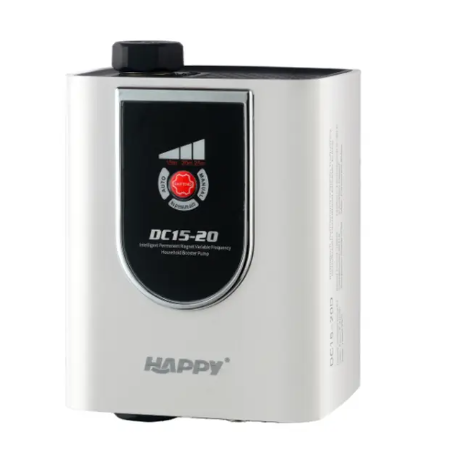
Regularly inspect your water pump to ensure it remains efficient. Happy Pump offers high-quality pumps that provide reliable and efficient performance for your water systems.
FAQ
Q: How can I tell if my water pump is bad?
A: Signs of a bad water pump include leaks, unusual noises, overheating, or lack of fluid circulation. If you notice these, it’s time for an inspection.
Q: What causes a water pump to fail?
A: Water pump failure can occur due to normal wear and tear, low fluid levels, or contaminated water. Regular maintenance helps prevent these issues.
Q: Can I continue using my water system with a bad water pump?
A: Continuing to use a malfunctioning pump can cause further damage. It’s best to stop using the system and inspect the pump.
Q: How much does it cost to replace a water pump?
A: Replacing a water pump typically costs between $300 and $800, depending on the system and labor. Early replacement can save you from more expensive repairs.
Q: How do I maintain my water pump?
A: Regularly check fluid levels, inspect for leaks, and maintain water quality to ensure your pump lasts longer and operates efficiently.


