


Understanding Water Pump Performance And Pump Terms
Views: 0 Author: Site Editor Publish Time: 2025-10-19 Origin: Site


Choosing the right water pump can be overwhelming with so many performance metrics to consider. Do you know how flow rate, head pressure, horsepower, and efficiency affect your pump's performance? These terms are essential when selecting the perfect pump.
In this guide, we’ll explain these key terms and how they influence pump efficiency. By the end, you’ll understand how to choose the best water pump for your needs.
What is Flow Rate and Why Does It Matter?
Defining Flow Rate
Flow rate refers to the volume of water a pump can move in a given amount of time. It is typically measured in gallons per minute (GPM), liters per minute (L/min), or cubic meters per hour (m³/hr). Understanding the flow rate is essential to ensure the pump meets your water supply needs.
For example, a typical residential pump might have a flow rate of 20-30 GPM, which is sufficient for household use.
Factors Affecting Flow Rate Several factors can affect the flow rate, including:
Pipe diameter: Smaller pipes increase friction, reducing flow.
System resistance: Components like filters or bends in the pipe can restrict water movement.
Elevation changes: Pumping water uphill requires more power, lowering the flow rate.
Tip:When selecting a pump, consider the specific layout of your plumbing system to ensure the flow rate is sufficient.
Head Pressure: Understanding Resistance and Overcoming Obstacles
What is Head Pressure?
Head pressure is the force a pump must generate to push water through the system, overcoming resistance caused by pipe friction, vertical distance (elevation), and system obstacles. It is usually measured in feet or meters.
For example, lifting water to a second-floor tank requires significant head pressure. Understanding this is crucial for ensuring the pump can handle these challenges.
Key Factors Affecting Head Pressure
Elevation changes: The vertical distance the water needs to be lifted plays a significant role.
Pipe friction: The longer and narrower the pipe, the higher the resistance.
System obstacles: Filters, valves, and bends create additional resistance that increases head pressure.
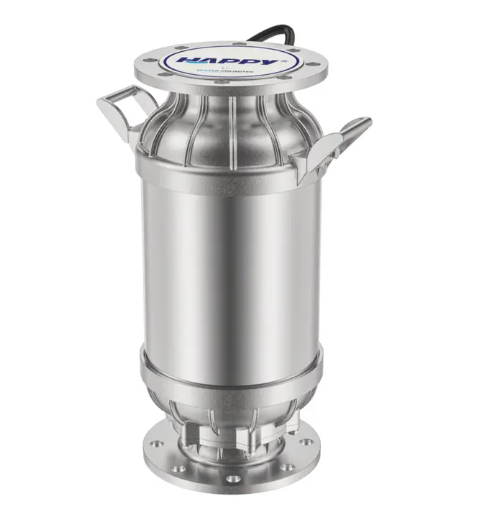
Pump Horsepower: Power and Efficiency Explained
Defining Pump Horsepower
Horsepower (HP) refers to the amount of power the pump uses to move water. It’s an indicator of the pump’s strength. Higher horsepower means the pump can handle larger volumes and overcome higher head pressures.
For example, an industrial pump may have 5 HP, while a household pump might only need 1 HP.
The Relationship Between Horsepower and Pump Performance
Horsepower is closely tied to both the flow rate and head pressure. Pumps with higher horsepower can move more water and lift it over higher distances. If you're pumping water for irrigation, a high-HP pump will help meet larger demands.
Choosing the Right Horsepower for Your Application
When selecting a pump, it’s important to match the horsepower to your specific needs. For example:
Irrigation systems: Require pumps with higher horsepower to handle large water volumes.
Home use: A lower HP pump may be sufficient.
Maximizing Pump Efficiency: Tips for Optimal Performance
Importance of Efficiency in Pumping
Efficiency refers to how well the pump converts energy into useful work. A more efficient pump consumes less power, reducing operational costs and energy waste. Efficiency is typically represented as a percentage.
Reading Pump Efficiency Curves
Efficiency curves show how the pump’s performance changes across different flow rates and head pressures. The Best Efficiency Point (BEP) is where the pump operates most efficiently. Always try to choose a pump that operates near this point.
Practical Tips for Maximizing Efficiency
Proper sizing | An oversized or undersized pump can lead to inefficiencies. Match the pump to your system’s requirements. |
Regular maintenance | Clean filters, check seals, and lubricate parts to keep the pump operating efficiently. |
System design | Optimize the system by using larger pipes and reducing bends to minimize friction losses. |
Note:To avoid wasting energy, ensure your pump operates close to its BEP, which maximizes efficiency.
Key Reliability Terms: NPSH, POR, and AOR
Net Positive Suction Head (NPSH)
NPSH is a critical reliability term that ensures the pump receives enough pressure at its inlet to avoid cavitation. If NPSH is too low, the pump could experience cavitation, causing damage over time.
Preferred Operating Region (POR) vs. Allowable Operating Region (AOR)
POR: The range where the pump operates most efficiently.
AOR: The range outside the POR, where the pump can still function, though less efficiently.
How to Use These Metrics for Optimal Pump Selection
Ensure that your pump operates within the POR to maximize performance and longevity. Always check the NPSH values to avoid cavitation and reduce maintenance costs.
Reading a Pump Performance Curve: A Step-by-Step Guide
What is a Pump Performance Curve?
A pump performance curve illustrates how the pump performs across various flow rates and head pressures. Understanding this curve is essential to selecting the right pump for your system.
How to Read a Centrifugal Pump Curve
To read a centrifugal pump curve:
Look for the flow rate on the horizontal axis and head on the vertical axis.
Identify the Best Efficiency Point (BEP), where the pump performs optimally.
Common Mistakes in Interpreting Pump Curves
Ignoring NPSH: Failing to consider NPSH requirements can lead to cavitation and reduced pump life.
Operating outside the BEP: Running a pump at a low flow rate or high head will reduce its efficiency.
Conclusion
Choosing the right water pump requires understanding key metrics like flow rate, head pressure, horsepower, and efficiency. By familiarizing yourself with these terms, you can select a pump that meets your needs and ensures long-lasting performance.
For residential systems, match the pump’s flow rate and head pressure to your water usage. For industrial and agricultural applications, prioritize horsepower and efficiency to handle larger volumes and demanding conditions.
At Happy Pump, their centrifugal pumps offer optimal performance for various applications, providing excellent efficiency and reliability to meet your specific needs.
FAQ
Q: What is a water pump flow rate?
A: The flow rate of a water pump measures the volume of water it can move in a given time, typically in GPM or L/min.
Q: Why is head pressure important for water pumps?
A: Head pressure determines a pump's ability to overcome resistance, such as elevation or pipe friction, ensuring water moves efficiently through the system.
Q: How does horsepower affect pump performance?
A: Higher horsepower allows a water pump to handle larger volumes and overcome higher head pressures, improving performance in demanding applications.
Q: What factors affect the efficiency of a water pump?
A: A water pump's efficiency is influenced by factors like proper sizing, regular maintenance, and minimizing system friction losses.
Q: How can I calculate the required horsepower for my water pump?
A: To calculate horsepower, consider the flow rate, head pressure, and system resistance. Choose a pump that can meet the demands of your specific application.


