


Pros and Cons of a Submersible Water Pump: A Comprehensive Guide
Views: 0 Author: Site Editor Publish Time: 2025-08-15 Origin: Site


Ever wondered how water reaches your tap from deep underground? Submersible water pumps are the hidden heroes. These pumps play a crucial role in various applications, from residential use to industrial processes. In this guide, you'll learn about the pros and cons of submersible water pumps, helping you make informed decisions.
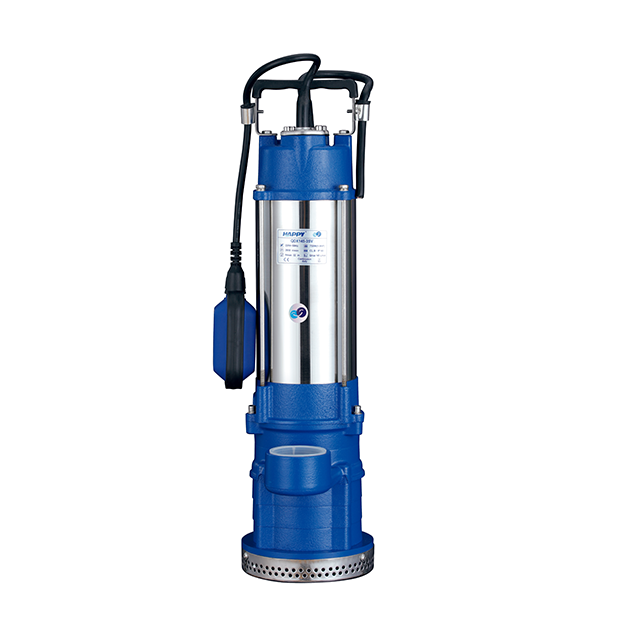
How Submersible Water Pumps Work
Basic Working Principle
A submersible water pump operates by being fully submerged in the fluid it needs to move. Unlike surface pumps, it pushes water to the surface rather than pulling it. When the pump is switched on, the motor drives an impeller, which spins rapidly. This spinning action creates centrifugal force, pushing water through the pump and out into the discharge pipe. Because the pump is underwater, it avoids problems like cavitation, which happens when air bubbles form and damage the pump. This makes submersible pumps very efficient for deep wells, boreholes, or any application where the water source is below ground level.
Components of a Submersible Water Pump
A typical submersible water pump consists of several key parts:
Electric Motor: Sealed to prevent water ingress, it powers the impeller.
Impeller: The rotating part that moves water by centrifugal force.
Pump Casing: Protects internal components and directs water flow.
Shaft: Connects the motor to the impeller.
Seal: Prevents water from entering the motor housing.
Discharge Outlet: Where water exits the pump to the surface.
Power Cable: Supplies electricity to the motor; designed to be waterproof.
Each component must be durable and corrosion-resistant since the pump works underwater and often in harsh environments.
Types of Submersible Water Pumps
There are several types of submersible pumps, each suited for different applications:
Borehole Pumps: Slim and long, designed to fit into narrow wells or boreholes.
Drainage Pumps: Used for removing water from flooded areas or construction sites.
Sewage Pumps: Built to handle wastewater containing solids and debris.
Multistage Pumps: Have multiple impellers to increase pressure, ideal for deep wells.
Slurry Pumps: Designed for pumping liquids with abrasive particles, such as in mining.
Choosing the right type depends on the water source, required flow rate, and the environment where the pump will operate.
Tip: When selecting a submersible pump, ensure the motor and seals are rated for your water's chemical composition to avoid premature failure.
Pros of Submersible Water Pumps
Efficiency in Water Extraction
Submersible water pumps excel in moving water efficiently. Because they sit underwater, they push water to the surface instead of pulling it. This method uses less energy and reduces the risk of cavitation—a problem where air bubbles damage the pump. These pumps can handle deep wells and boreholes with ease, making them ideal for extracting water from underground sources. Their design ensures consistent flow rates, which helps maintain steady water pressure for various uses.
Space-Saving Design
One major advantage of submersible pumps is their compact, space-saving design. Since they are placed underwater, they don't require bulky housing or extra space above ground. This feature is especially valuable in areas where space is limited or where aesthetics matter. You won’t see large pump structures cluttering the landscape, which also reduces the need for protective enclosures.
Noise Reduction Benefits
Submersible pumps operate quietly because the water around them muffles the motor noise. Unlike surface pumps, which can be loud and disruptive, these pumps run smoothly without disturbing nearby areas. This makes them perfect for residential neighborhoods, offices, or any place where noise control is important. The quieter operation also means less stress on the environment and people nearby.
Versatility in Applications
Submersible pumps are versatile and fit a wide range of uses. They work well in residential water supply, agricultural irrigation, industrial processes, and even environmental management tasks like draining flooded areas. Different types, such as borehole pumps or sewage pumps, cater to specific needs. Their ability to handle clean water, wastewater, or even slurry makes them adaptable for many industries.
Tip: When selecting a submersible pump, consider the water source depth and type to maximize efficiency and ensure the pump suits your specific application needs.
Cons of Submersible Water Pumps
Installation Challenges
Installing a submersible water pump can be tricky. Because the pump goes underwater, you need to lower it carefully into the well, borehole, or water source. This often requires special equipment like cranes or winches, especially for deep installations. Proper alignment and secure placement are essential to avoid damage or inefficient operation. Additionally, electrical wiring must be waterproof and correctly sealed to prevent short circuits. If installation isn’t done right, it can lead to costly repairs or pump failure.
Maintenance Requirements
While submersible pumps are designed to be durable, they still need regular maintenance. Since they operate underwater, you can’t easily inspect or repair them without pulling them out. This makes routine checks more labor-intensive and time-consuming compared to surface pumps. Components like seals, bearings, and impellers wear out over time and need replacement. Neglecting maintenance can cause reduced performance, overheating, or complete breakdowns.
Potential for Corrosion
Submersible pumps work in wet, often harsh environments, which increases the risk of corrosion. Water may contain minerals, chemicals, or salts that attack metal parts. If the pump materials aren’t corrosion-resistant, rust and degradation can shorten the pump’s lifespan. This is especially true in saltwater or wastewater applications. Choosing pumps made from stainless steel or other corrosion-resistant materials helps, but such pumps tend to be more expensive.
Cost Considerations
Generally, submersible pumps cost more upfront than surface pumps. The price reflects the need for waterproof motors, special seals, and corrosion-resistant materials. Installation costs can add up due to the need for specialized equipment and professional services. Maintenance and repairs also tend to be pricier because of the pump’s submerged location. However, their efficiency and longevity can offset these costs in many cases, but the initial investment might be a barrier for some users.
Tip: Always factor in installation and maintenance costs when budgeting for a submersible pump to avoid unexpected expenses down the line.
Applications of Submersible Water Pumps
Residential Use
Submersible water pumps are common in homes, especially for supplying water from wells or underground tanks. They deliver water directly to faucets, showers, and irrigation systems. Because they sit underwater, they avoid issues like airlocks and cavitation, ensuring steady water flow. These pumps also help maintain pressure in household water systems, making showers and taps work smoothly. Some models are designed to handle clean water only, while others can manage slightly dirty water from rainwater harvesting systems or sump pits.
Agricultural Applications
Farmers rely on submersible pumps for irrigation and livestock watering. These pumps efficiently draw groundwater from wells or boreholes to irrigate crops, especially in dry seasons. Their ability to operate submerged means they can pump water from deep underground sources, which is crucial for large farms. Additionally, submersible pumps help drain excess water from fields during heavy rains, preventing crop damage. They also support water supply for livestock troughs, ensuring animals get clean water consistently.
Industrial Applications
Industries use submersible pumps in various processes, including water supply, wastewater management, and cooling systems. They are vital in factories, mines, and construction sites for moving water or other fluids. For example, submersible pumps handle wastewater containing solids in treatment plants, thanks to their robust design. In mining, slurry pumps move abrasive mixtures of water and minerals. Their sealed motors prevent damage from harsh chemicals or debris, making them reliable in tough industrial environments.
Environmental Applications
Environmental agencies and companies use submersible pumps to manage water in flood control, groundwater remediation, and environmental cleanup projects. These pumps help remove water from flooded areas quickly, protecting infrastructure and ecosystems. They also assist in pumping contaminated water from polluted sites for treatment. Because they can operate underwater and handle various water qualities, submersible pumps are essential tools in environmental protection and disaster response efforts.
Tip: When choosing a submersible pump for any application, always match the pump type and material to the water quality and required flow rate to ensure durability and efficiency.
Choosing the Right Submersible Water Pump
Factors to Consider
Choosing the right submersible water pump depends on several key factors. First, consider the water source—is it a deep well, a shallow borehole, or a sump pit? The depth and type of water source affect the pump’s size and power requirements. Next, look at the flow rate and pressure you need. For example, irrigation systems require different flow rates than residential water supply. You should also check the water quality—clean, dirty, or containing solids—since this affects the pump type and material. Pumps handling wastewater or slurry need robust, corrosion-resistant parts.
Another important factor is power supply. Make sure the pump matches your available voltage and power type, whether electric or solar. Also, think about the installation environment—some pumps are better for confined spaces or harsh conditions. Lastly, evaluate your budget not only for the initial cost but also installation, maintenance, and energy use.
Common Mistakes to Avoid
Many users make mistakes when selecting submersible pumps. One common error is overlooking the pump’s capacity. Buying a pump that’s too small can cause poor performance, while an oversized pump wastes energy and costs more upfront. Another mistake is ignoring the water quality; using a clean water pump for dirty or abrasive water leads to quick damage.
Skipping the check on material compatibility is risky. Pumps made from non-corrosion-resistant metals fail faster in saltwater or chemical-rich water. Also, some users neglect the importance of proper installation equipment and expertise, which can lead to damage and safety hazards. Finally, don’t forget to consider maintenance access—choosing a pump that’s hard to remove for servicing can increase downtime and costs.
Comparison with Other Types of Water Pumps
Submersible water pumps differ significantly from other types like surface pumps and jet pumps. Unlike surface pumps, submersibles sit underwater, pushing water to the surface rather than pulling it. This reduces problems like cavitation and improves efficiency, especially for deep wells.
Compared to jet pumps, submersibles can handle greater depths and higher flow rates more reliably. Jet pumps often struggle with deep water sources because they rely on suction, which is less efficient. Submersibles also operate more quietly and take up less space since they don’t require a separate above-ground setup.
However, surface pumps are easier to maintain and install, as they don’t need to be submerged. They can be a better choice for shallow water or where regular maintenance is critical. Jet pumps may be more cost-effective for low-depth applications but lack the durability and power of submersibles in demanding conditions.
Tip: Always match the pump’s specifications to your water source depth, flow needs, and water quality to avoid costly mistakes and ensure reliable, efficient operation.
Maintenance and Care for Submersible Water Pumps
Regular Inspection and Cleaning
Maintaining a submersible water pump starts with regular inspection. Since these pumps operate underwater, you can’t just look at them anytime. It’s crucial to schedule periodic checks by pulling the pump out carefully. During inspection, check for any signs of wear, damage, or corrosion on the casing, seals, and power cable. Clean the pump thoroughly to remove dirt, algae, or mineral deposits that can clog the impeller or block water flow. Also, inspect the intake screens and clean or replace them if clogged. Keeping the pump clean ensures smooth operation and prevents overheating.
Troubleshooting Common Issues
Submersible pumps can face several common problems. If the pump fails to start, first check the power supply and electrical connections. Faulty wiring or blown fuses are often the cause. Low water flow or pressure might indicate a clogged impeller or intake screen, so cleaning is necessary. Unusual noises could mean worn bearings or debris caught inside. Overheating can result from running the pump dry or blocked water flow. In such cases, turn off the pump immediately to avoid motor damage. Regular monitoring helps catch these issues early before they cause major failures.
Prolonging the Lifespan of Your Pump
Proper care can extend your pump’s life significantly. Always use the pump within its rated capacity and avoid running it dry. Install protective devices like thermal overload protectors to prevent motor burnout. Use corrosion-resistant materials or coatings if your water contains chemicals or salts. Store the pump in a dry, cool place when not in use for long periods. Lubricate moving parts if recommended by the manufacturer. Lastly, keep detailed maintenance records to track repairs and replacements. This proactive approach reduces downtime and saves money over time.
Tip: Schedule regular maintenance checks and clean your submersible pump to prevent costly repairs and ensure reliable performance.
Conclusion
Submersible water pumps offer several advantages, such as efficient water extraction, space-saving design, and noise reduction. However, they also come with challenges like installation difficulties, maintenance needs, and potential corrosion. Despite these challenges, submersible pumps remain versatile and valuable for various applications. As technology advances, innovations in durability and efficiency are expected. Zhejiang Happy Pump Industry Co., Ltd. provides high-quality submersible pumps that deliver exceptional performance and reliability, offering significant value to users in diverse environments.
FAQ
Q: What is a submersible water pump?
A: A submersible water pump is a device designed to operate underwater, pushing water to the surface efficiently, unlike surface pumps that pull water.
Q: How does a submersible water pump work?
A: A submersible water pump uses a sealed electric motor to drive an impeller, creating centrifugal force to push water through the pump and out to the surface.
Q: Why choose a submersible water pump over a surface pump?
A: Submersible water pumps are more efficient for deep wells, quieter, and save space, as they don't require above-ground structures.
Q: What are the maintenance requirements for a submersible water pump?
A: Regular inspection, cleaning, and careful handling during installation are essential to maintain a submersible water pump's efficiency and lifespan.


