


What Is A Fuel Oil Pump? (Everything You Need To Know)
Views: 0 Author: Site Editor Publish Time: 2025-11-30 Origin: Site


Introduction
Fuel oil pumps are crucial for efficient fuel delivery in various systems. Have you ever wondered how fuel is seamlessly transferred from storage tanks to boilers and generators? These pumps play a vital role in ensuring smooth operations for both residential and industrial applications.
In this article, we will explore everything you need to know about fuel oil pumps. You’ll learn about their functions, types, and how they work, along with common issues and maintenance tips.
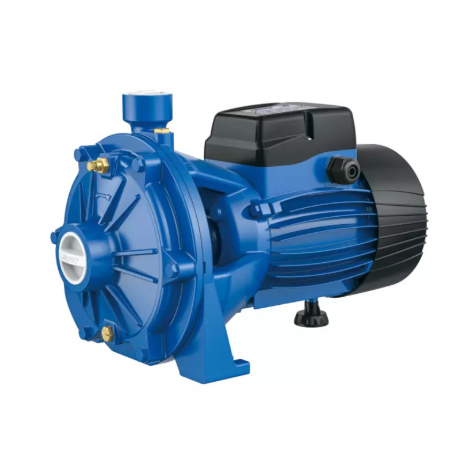
What Is a Fuel Oil Pump and How Does It Work?
Definition and Core Function of Fuel Oil Pumps
A fuel oil pump is a mechanical device designed to move fuel oil from a storage tank to a combustion system, such as a furnace or boiler, at the correct pressure. This device is vital for ensuring a consistent and reliable fuel supply to the system, which is required for efficient combustion. Without a fuel oil pump, it would be impossible to maintain proper fuel delivery to burners or boilers, leading to inefficient operation or even system failure.
The main function of a fuel oil pump is to move fuel from the tank to the burner or other heating systems while maintaining the correct pressure. This ensures that the fuel is ready for combustion when needed, preventing issues such as incomplete burning or fuel wastage.
Key Functions of Fuel Oil Pumps in Systems
Fuel oil pumps are integral to the proper functioning of heating, power generation, and industrial systems. Their primary functions include:
Consistent Fuel Flow: A steady, reliable fuel supply is crucial for maintaining the system’s temperature or power output. Without consistent fuel flow, systems such as burners or generators can fail to operate effectively.
Pressure Management: These pumps regulate pressure, ensuring that fuel is delivered at the optimal pressure for combustion. Consistent pressure also prevents equipment from being damaged by excess fuel or pressure.
System Integration: Fuel oil pumps work alongside other system components like filters, pressure regulators, and nozzles. All components must work in harmony to ensure smooth fuel delivery to the combustion chamber.
Different Types of Fuel Oil Pumps and Their Uses
Several types of fuel oil pumps are available, each designed for specific applications. Depending on the system’s needs—whether high flow rates, precise pressure control, or resistance to certain fuels—different pump types are used. The three main types include:
Positive Displacement Pumps: These pumps ensure constant flow regardless of pressure fluctuations. They are commonly used in systems requiring steady and regulated fuel supply, such as boiler feed systems and filtration units.
Centrifugal Pumps: Designed for high-flow applications, centrifugal pumps are ideal for transferring large volumes of low-viscosity fuels. They are often used in the oil and gas industry for transporting fuel between tanks or systems.
Submersible Turbine Pumps: These pumps are used in large storage tank systems, providing high flow rates with low pressure. They are submerged in the fuel and are commonly employed for fuel transfer in industrial settings or large-scale operations.
Each pump type has distinct advantages, making it suitable for specific operational needs, such as handling varying fuel types or system configurations.
| Pump Type | Description | Common Applications |
|---|---|---|
| Positive Displacement Pump | Ensures constant flow regardless of pressure fluctuations | Boiler feed systems, filtration units, generators |
| Centrifugal Pump | Ideal for high-flow, low-pressure applications | Oil and gas transportation, large storage tank systems |
| Submersible Turbine Pump | Submerged in fuel, used for high flow rates with low pressure | Fuel transfer in industrial settings, large-scale operations |
Understanding the Operation of a Fuel Oil Pump
Step-by-Step Process of Fuel Pumping
The fuel oil pump performs a series of actions to transport fuel from the tank to the combustion system. Here’s a breakdown of how it works:
Fuel Intake: Fuel enters the pump from the storage tank through a filter that removes debris or contaminants. This ensures that the pump and other system components are protected from blockages or damage.
Fuel Pressurization: Once inside the pump, mechanisms like gears or pistons generate pressure to move the fuel forward. The pump ensures that the fuel is delivered at the right pressure for combustion.
Fuel Delivery: The pressurized fuel exits the pump and is directed toward the burner or combustion chamber, where it will be atomized for efficient combustion.
This process ensures that the fuel reaches its destination at the correct pressure, which is essential for effective fuel combustion.
How Pressure Is Regulated in Fuel Oil Pumps
Pressure regulation is crucial for the optimal functioning of fuel oil pumps. If the pressure is too low or too high, combustion can be inefficient, leading to wasted fuel or equipment damage.
Fuel oil pumps are equipped with a pressure regulator, which adjusts the pressure to ensure it stays within the required range. If the pressure exceeds the safe operating limit, the regulator will release excess pressure back into the system. Conversely, if the pressure is too low, it could result in poor atomization and incomplete combustion.
Maintaining consistent pressure ensures that fuel is delivered to the burner in the right condition for efficient burning.
Note: Maintaining accurate pressure settings in your fuel oil pump can significantly improve fuel efficiency and prevent system malfunctions.
How Fuel Atomization Works in Combustion
Atomization is the process by which liquid fuel is broken down into fine droplets, allowing for better mixing with air for combustion. The fuel oil pump plays a critical role in this process by generating the required pressure to force fuel through a nozzle.
Fuel Atomization: Once the fuel exits the nozzle, it is atomized into a fine mist, creating a large surface area that mixes with combustion air. This process ensures efficient burning, which leads to better fuel utilization and reduced emissions.
Combustion Efficiency: The better the atomization, the more complete the combustion. A well-atomized fuel burns cleaner, maximizing the system’s energy output and minimizing waste.
The efficiency of atomization is directly tied to the performance of the fuel oil pump. Without consistent pressure and flow, proper atomization would not occur, reducing system efficiency.
Main Types of Fuel Oil Pumps and Their Applications
Positive Displacement Pumps for Fuel Oil
Positive displacement pumps, also known as gear pumps, are commonly used in applications where a constant flow of fuel is required. These pumps operate by trapping a specific volume of fuel and displacing it through the system, providing steady fuel delivery. These pumps are typically found in systems that require precise fuel delivery, such as boiler feed systems, filtration units, and generator fuel supply. Positive displacement pumps are highly reliable and maintain a consistent flow of fuel, even under varying pressure conditions, which makes them ideal for industrial burners and other systems where consistent fuel delivery is crucial for efficient operation.
Centrifugal Pumps in Fuel Transportation
Centrifugal pumps are widely used in high-flow applications where large volumes of low-viscosity fuel need to be moved. These pumps operate by using centrifugal force to draw fuel into the pump and discharge it at high speeds. Centrifugal pumps are commonly used in oil and gas transportation, fuel transfer operations, and large storage tank systems. Their high efficiency in transferring fuel over long distances makes them ideal for systems requiring high flow rates, such as large fuel depots or tank farms. Their ability to maintain consistent flow rates even under varying conditions further enhances their suitability for large-scale applications.
Submersible Turbine Pumps for Large Tanks
Submersible turbine pumps are designed for use in large tanks, where they can provide high flow rates with relatively low pressure. These pumps are submerged in the fuel and are ideal for continuous fuel transfer in large-scale industrial settings. They are often found in fuel transfer units for large storage tanks or industrial systems that require the movement of large volumes of fuel. Submersible turbine pumps are highly efficient in transferring substantial amounts of fuel while minimizing the need for priming and preventing cavitation, making them the pump of choice for applications where reliability and efficiency are paramount.
Where Are Fuel Oil Pumps Used?
Residential Heating Systems and Their Fuel Pump Needs
Fuel oil pumps are crucial in residential heating systems that use oil burners or boilers. These pumps ensure that oil is consistently delivered to the burner, where it is combusted to provide heating. In oil-fired home furnaces, the fuel oil pump moves the oil from the tank to the burner, maintaining consistent warmth in the home. The proper delivery of fuel plays a key role in improving heating efficiency and reducing the risk of burner failure, providing homeowners with consistent comfort throughout the year. A well-maintained fuel oil pump ensures that these systems operate smoothly, delivering the necessary heat when needed without interruptions.
Industrial and Commercial Fuel Oil Pump Applications
Fuel oil pumps are also essential in industrial and commercial settings, where they support systems such as generators, burners, and power plants. These pumps ensure a steady and regulated fuel supply, which is vital for large-scale operations that require consistent energy production. In factories, power stations, and industrial heating systems, fuel oil pumps deliver fuel to key equipment, ensuring uninterrupted operations. By maintaining a constant fuel supply, these pumps play a crucial role in supporting industries that rely on heavy machinery and continuous energy to meet production demands, thereby preventing operational downtime and maximizing productivity.
Fuel Oil Pumps in Marine Systems
In marine systems, fuel oil pumps are used to transfer fuel to ships' engines and other machinery. These pumps are designed to operate under harsh conditions, such as fluctuating pressures and high-demand systems on board. In marine diesel systems and fuel transfer units on ships, fuel oil pumps ensure efficient fuel use, preventing fuel-related issues like shortages or engine failure during long voyages. The reliable operation of these pumps is essential for keeping vessels running smoothly and minimizing fuel waste, ensuring that ships can complete their journeys without unexpected delays or fuel-related disruptions.
| Pump Type | Application | Benefit |
|---|---|---|
| Positive Displacement Pump | Boiler feed systems, filtration units, generator fuel supply | High reliability, precise fuel delivery, ideal for industrial burners |
| Centrifugal Pump | Oil and gas transportation, fuel transfer operations, large storage tank systems | High efficiency, consistent flow rates under varying conditions |
| Submersible Turbine Pump | Fuel transfer units, large storage tanks, industrial systems | High efficiency in large-scale transfers, minimal need for priming |
| Residential Heating System | Home furnaces, boilers | Improved heating efficiency, reduced burner failure risk |
| Industrial and Commercial Fuel Oil Pumps | Factories, power stations, industrial heating systems | Uninterrupted fuel supply, maximized productivity in heavy industries |
| Marine Fuel Oil Pumps | Marine diesel systems, fuel transfer units on ships | Efficient fuel use, prevents engine failure during long voyages |
Common Problems and Failures of Fuel Oil Pumps
Typical Causes of Fuel Oil Pump Failures
Fuel oil pumps can experience various problems over time, especially if they are not properly maintained. Common causes of failure include:
Clogged Filters: Fuel filters can become clogged, restricting fuel flow and putting additional strain on the pump.
Seal Wear or Leaks: Over time, seals can wear out, leading to fuel leakage, which can damage the pump and affect performance.
Incorrect Pressure Settings: When pressure settings are not correctly configured, it can lead to poor combustion or inefficient fuel usage.
How to Recognize Fuel Oil Pump Failure
Recognizing early signs of failure can help prevent further damage and costly repairs. Some warning signs include:
Irregular Heating: If the system is not heating consistently, it could be a sign of an issue with fuel delivery.
Strange Noises: If the pump makes unusual sounds, it may indicate internal damage, cavitation, or air in the system.
Fuel Leaks: Leaking fuel around the pump or connections suggests worn seals or faulty components.
Burner Lockouts: Frequent burner shutdowns can be caused by inadequate fuel delivery due to pump failure.
The Role of Regular Maintenance in Preventing Failures
Routine maintenance is crucial to ensure that fuel oil pumps continue to operate efficiently. Regular checks of filters, seals, and pressure settings can prevent premature failures and extend the lifespan of the pump.
Tip: Conducting annual inspections and addressing small issues early can help you avoid costly breakdowns and maintain the efficiency of your fuel oil system.
| Problem | Description | Symptoms to Watch For |
|---|---|---|
| Clogged Filters | Fuel filters become blocked, reducing fuel flow | Reduced fuel flow, pump strain, system inefficiency |
| Seal Wear or Leaks | Worn-out seals lead to fuel leaks | Visible fuel leaks, reduced pressure, operational issues |
| Incorrect Pressure Settings | Pressure set too high or low affects combustion | Inconsistent heating, poor fuel atomization, high fuel consumption |
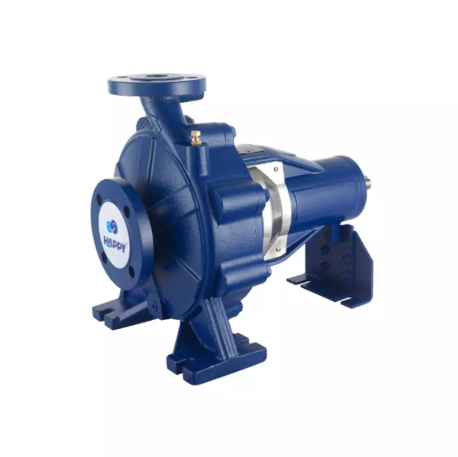
How to Maintain and Troubleshoot Fuel Oil Pumps
Routine Maintenance for Optimal Pump Performance
Regular maintenance is essential for keeping fuel oil pumps in top condition. Tasks to focus on include:
Filter Replacement: Ensure the fuel filter is clean to prevent clogs that can strain the pump and reduce fuel efficiency.
Seal Checks: Inspect seals regularly for wear and tear to avoid leaks.
Pressure Adjustments: Periodically check pressure settings to ensure fuel is delivered at the correct rate for efficient combustion.
Troubleshooting Fuel Oil Pump Issues
If problems arise, troubleshooting is necessary to identify the root cause. Steps include:
Check for Air Leaks: Inspect supply lines for leaks or damage that may allow air into the system.
Listen for Unusual Sounds: If the pump is making abnormal noises, it may indicate internal issues such as cavitation or component wear.
Monitor Pressure: Ensure the pump maintains proper pressure throughout operation. Pressure issues could signal a malfunction in the pump or regulator.
When to Replace Your Fuel Oil Pump
If a fuel oil pump shows significant wear or is unable to maintain proper pressure, it should be replaced. Pumps that are damaged internally or are unable to keep up with fuel demands should be promptly replaced to prevent system failure.
Conclusion
Fuel oil pumps play a vital role in maintaining the efficiency of heating systems, power generation, and marine systems. By selecting the right type of pump and conducting regular maintenance, you can ensure that these systems perform optimally. Monitoring your fuel oil pump’s performance will help catch issues early, preventing costly repairs and downtime.
For reliable fuel oil pumps, Lanzhou Happy Imp & Exp Co,.Ltd offers products that are known for their efficiency and longevity. Their pumps are designed to meet the demands of diverse applications, providing excellent value through consistent performance and durability.
FAQ
Q: What is a Fuel Oil Pump?
A: A fuel oil pump is a mechanical device used to move fuel from a storage tank to a burner or combustion system, ensuring proper fuel flow and pressure for efficient combustion.
Q: How does a Fuel Oil Pump work?
A: A fuel oil pump works by drawing fuel from the storage tank, generating pressure to push the fuel through the system, ensuring it's delivered to the combustion chamber at the right flow rate and pressure.
Q: Why is regular maintenance important for a Fuel Oil Pump?
A: Regular maintenance ensures that the fuel oil pump operates efficiently, preventing issues like clogs or pressure imbalances, which can cause system failure or inefficient fuel consumption.
Q: What are the benefits of using a Fuel Oil Pump?
A: Fuel oil pumps provide consistent fuel delivery, maintain pressure for optimal combustion, and ensure system reliability, reducing the risk of downtime and improving overall efficiency.
Q: How do I know if my Fuel Oil Pump is failing?
A: Signs of a failing fuel oil pump include irregular heating, strange noises, fuel leaks, or burner lockouts. Regular monitoring can help detect issues early.
Q: What types of Fuel Oil Pumps are available?
A: The main types of fuel oil pumps include positive displacement pumps, centrifugal pumps, and submersible turbine pumps, each suited for different applications based on flow rates and pressure requirements.


