


What Is Water Pump Short Cycling And Why Does It Happen?
Views: 0 Author: Site Editor Publish Time: 2025-10-07 Origin: Site


Water pump short cycling is a common problem that many homeowners face. It happens when the pump turns on and off too quickly, leading to inconsistent water flow. This issue can cause significant damage to your system and increase energy costs.
In this article, we will explore why water pump short cycling occurs, its causes, and how you can prevent or fix it. Understanding these key factors can help you maintain your water pump efficiently and save on repair costs.
What Is Water Pump Short Cycling?
Definition of Short Cycling
Water pump short cycling occurs when the pump starts and stops frequently, instead of running for a complete cycle. In a properly functioning pump system, the pump turns on when the water pressure drops below a certain threshold, fills the tank, and shuts off once the pressure is restored. However, during short cycling, the pump continuously toggles on and off without completing a full cycle, causing fluctuations in water pressure.
This issue can be both disruptive and costly. The pump’s constant switching increases wear and tear on its motor, leading to potential overheating and failure.
Common Symptoms of Short Cycling
There are several signs that may indicate water pump short cycling:
Rapid on/off switching | The pump turns on and off frequently, even when water is not being used. |
Irregular water pressure | Fluctuations in pressure can lead to weak water flow or interruptions. |
Unusual pump noise | You may hear the pump switching on and off in a rapid, irregular pattern. |
Increased energy consumption | Short cycling can lead to higher electricity bills due to the increased frequency of motor startups. |
How Short Cycling Affects Your Water Pump
The most immediate consequence of short cycling is the increased wear on the pump motor. Each time the motor starts, it requires a surge of energy, which generates heat. Over time, this constant heating and cooling can cause the motor to overheat, burn out, or even fail completely. Additionally, the pump's internal components, such as bearings and seals, are under constant stress, leading to premature failure.
Energy waste is another significant issue caused by short cycling. Frequent motor startups consume more electricity, which can result in higher energy bills for the homeowner or business.
Common Causes of Water Pump Short Cycling
Faulty Pressure Switch
The pressure switch is a crucial component that regulates when the pump turns on and off. It measures the water pressure in the system and signals the pump to start or stop based on the set pressure thresholds. If the pressure switch is faulty or miscalibrated, it may cause the pump to turn on and off too frequently, triggering short cycling.
Common issues include:
Sediment buildup: In wells with high sediment content, debris can clog the pressure switch’s ports, causing inaccurate readings.
Worn electrical contacts: Over time, the electrical contacts in the switch can wear out, causing the pump to turn off abruptly or fail to turn on.
Solution: Replace the pressure switch to restore normal pump operation.
Air Pressure Issues in the Tank
Water pump systems typically include a pressure tank that stores water under pressure. This tank often contains a bladder or diaphragm that separates water from air. If the air pressure is too high or too low, it can affect the pump’s ability to cycle properly.
Too much air: If there is excess air in the tank, the pump may turn off too soon before the tank is fully filled, leading to short cycling.
Too little air: If the air charge is too low, the pressure switch may misread the tank’s pressure, triggering frequent pump starts.
Solution: Ensure the air pressure is set correctly by using a pressure gauge to adjust the air charge to the manufacturer’s specifications.
Clogged or Blocked Water Lines
Sediment, minerals, or debris can build up inside the water supply pipes over time, particularly in older systems. These blockages disrupt the flow of water, causing pressure fluctuations. When the pump encounters sudden pressure changes, it may turn on and off rapidly, resulting in short cycling.
Solution: Clean or replace clogged water lines and filters to restore proper water flow.
Leaks in the System
Even small leaks in the plumbing system can cause short cycling. When a leak occurs, the pressure in the system drops, triggering the pump to start cycling in an attempt to maintain pressure. This is especially common in older systems where pipes may have become corroded or worn.
Solution: Inspect the entire plumbing system for leaks and repair any damage promptly.
Oversized Pump
An oversized water pump can cause short cycling by overpumping the system. When the pump is too powerful for the pressure tank’s size or the household’s water demand, it fills the tank too quickly, leading to rapid on/off cycles.
Solution: Consult a professional to replace the oversized pump with one that matches the system’s requirements.
How to Diagnose Water Pump Short Cycling
Checking for Air Pressure Imbalance
To diagnose air pressure issues in the pressure tank, use a pressure gauge to measure the air pressure. If the pressure is too high or too low, adjust it to the correct level based on your system’s specifications.
Inspecting the Pressure Switch
Test the pressure switch with a multimeter to ensure it is properly calibrated and functioning. If the switch is malfunctioning, replace it with a new one.
Identifying System Leaks and Blockages
Perform a visual inspection of the water supply lines, faucets, and fixtures for any signs of leaks. Use a plumbing leak detector if needed. To check for blockages, inspect filters and clean the water supply pipes.
Verifying Pump Size and Condition
Verify that the pump is correctly sized for your system. An oversized pump will often cause short cycling, while an undersized one may strain the system. Consult a professional for an accurate assessment.
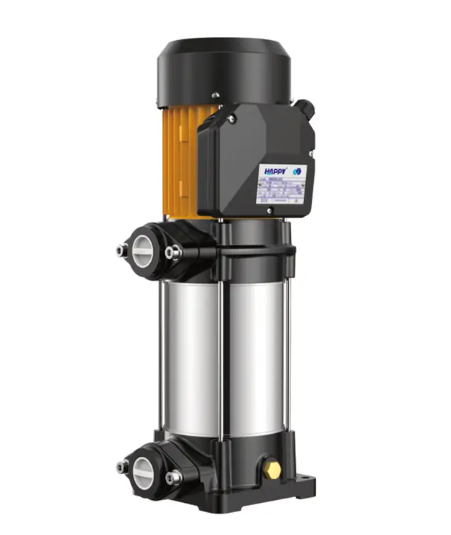
Solutions to Fix Water Pump Short Cycling
Replacing or Repairing the Pressure Switch
If the pressure switch is malfunctioning, replace it to restore normal operation. A properly calibrated pressure switch ensures the pump cycles correctly and prevents short cycling.
Adjusting Air Pressure in the Tank
Use a pressure gauge to measure the air pressure in the tank. Adjust the pressure according to the manufacturer’s specifications to avoid both overcharging and undercharging the tank.
Clearing Blocked Water Lines
Flush out any blockages in the water lines, particularly sediment buildup or clogged filters. A clean and unobstructed water supply ensures smooth pump operation.
Repairing Leaks in the Plumbing
Fix any leaks in the plumbing system promptly. Leaks, no matter how small, can trigger short cycling by lowering system pressure and forcing the pump to cycle unnecessarily.
Replacing an Oversized Pump
If the pump is oversized for the system, consult with a professional to replace it with one that better suits the water demand and pressure tank capacity.
Preventing Water Pump Short Cycling
Regular Maintenance and Inspections
Schedule annual inspections to ensure the pump, pressure switch, and air pressure are all functioning optimally. Regular maintenance helps identify and address issues before they escalate.
Installing a Low-Water Cutoff Switch
A low-water cutoff switch can prevent short cycling by automatically shutting off the pump when the water level in the well drops too low. This feature protects the pump from running dry and reduces wear.
Monitoring Water Usage
Encourage water conservation to reduce strain on the system. By managing water usage efficiently, you can prevent excessive demand that may lead to short cycling and pump failure.
Conclusion
Water pump short cycling can lead to high energy costs and pump failure. Common causes include faulty pressure switches, air pressure issues, leaks, and blockages. Diagnosing the problem early and performing regular maintenance, pressure adjustments, and proper pump sizing can prevent short cycling.
At Happy Pump, we offer solutions that improve pump efficiency and extend system lifespan. Regular inspections and timely repairs are essential to ensuring the longevity of your water pump system.
FAQ
Q: What is water pump short cycling?
A: Water pump short cycling occurs when the pump turns on and off rapidly without completing a full cycle, leading to irregular water flow and increased wear.
Q: Why does my water pump keep short cycling?
A: Common causes include faulty pressure switches, air pressure imbalances, leaks, or blocked water lines, all of which disrupt normal pump operation.
Q: How can I fix water pump short cycling?
A: Solutions include replacing the pressure switch, adjusting air pressure in the tank, clearing blockages, and repairing leaks in the system.
Q: Can short cycling damage my water pump?
A: Yes, short cycling puts stress on the pump’s motor, leading to overheating, increased energy consumption, and premature failure.
Q: How can I prevent water pump short cycling?
A: Regular inspections, proper maintenance, and ensuring the pump is correctly sized can help prevent short cycling and extend the lifespan of your water pump.


