


What Is Liquid Pump Lift & Head? Explained in Simple Terms
Views: 0 Author: Site Editor Publish Time: 2025-11-26 Origin: Site


Introduction
Have you ever wondered how a liquid pump moves fluids against gravity? Whether it's water or chemicals, the concepts of lift and head are key to understanding pump performance.
In this article, we'll break down the importance of these two parameters. You'll learn how lift affects the ability to pull liquids and how head impacts the height they can be raised. By the end, you’ll know how to choose the right pump for your system.
What Does Liquid Pump Lift Mean?
Understanding Liquid Pump Lift
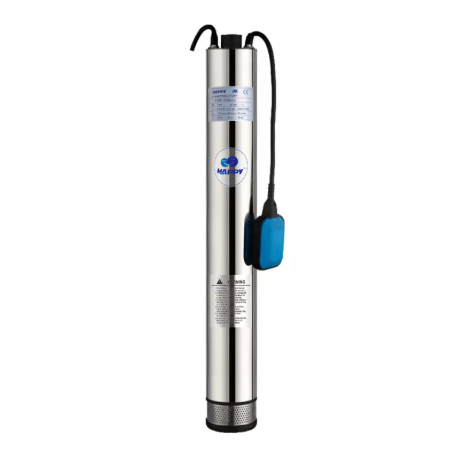
Liquid pump lift refers to the ability of a pump to draw liquid from a source located below its centerline and raise it to a higher elevation. This concept is crucial, especially when pumping fluids from deep wells, underground reservoirs, or low-lying areas. Simply put, lift is the vertical distance that a pump is capable of pulling liquid up from its intake. This is particularly important when pumping from sources at greater depths or from areas with significant pressure differences.
For instance, in agricultural irrigation systems, pumps are often used to draw water from deep underground wells. The lift capacity of the pump determines how deep it can effectively pull the water from. If the required lift exceeds the pump's capacity, the pump will fail to perform adequately, leading to inefficient operation or even system failure.
Why Lift is Important for Pump Performance
Understanding the lift requirement is crucial when selecting a pump because it determines the effort the pump needs to exert to draw liquid into the system. If the required lift is too high for the pump’s capabilities, it may struggle to move the liquid, leading to poor performance and potential damage to the pump. The higher the lift required, the more powerful the pump needs to be.
For example, pumps designed for shallow wells typically have a lower lift capacity than pumps intended for deep-well applications. If the lift requirement is underestimated, the pump may not have enough power to overcome the atmospheric pressure or any friction loss in the system, which can lead to failure or inefficiency. Always ensure that the lift capacity matches the specific needs of your system to ensure reliable and efficient pump performance.
What is Liquid Pump Head?
Defining Pump Head and Its Function
Liquid pump head is a measure of how high a pump can raise the fluid vertically. It’s one of the most critical parameters in determining a pump’s performance. The head is usually measured in meters or feet and represents the energy required to lift the liquid against gravity. The head is not only influenced by the vertical distance the liquid must travel, but also by factors such as friction losses, pipe diameter, and fluid type.
For example, in systems that transport water to elevated storage tanks or treatment facilities, the head is the height to which the pump must raise the water. The higher the elevation of the storage tank, the more head is required. As the required head increases, the pump’s flow rate may decrease, as pumps working against a higher head generally operate at lower flow rates.
The relationship between head and pressure is crucial in understanding how pumps work. The head defines the vertical distance a pump can lift the liquid, while pressure refers to the force needed to move the liquid through the system. A pump’s ability to overcome the head will determine how much pressure it can generate to push the liquid through the pipes.
How Head Affects Pump Performance
The head directly affects a pump’s performance by influencing the pressure it needs to generate. The higher the head, the more pressure the pump must exert to overcome gravity and move the fluid. As a result, when a pump operates at higher head conditions, its flow rate tends to decrease.
This is especially important when selecting a pump for applications that require high elevation lifts, such as in wastewater treatment or irrigation systems. A pump designed to operate at higher head will be able to maintain consistent pressure, but its flow rate may be reduced compared to a pump designed to work at a lower head. Additionally, the head requirement is not always constant; they can vary depending on factors like pipe length, the number of elbows, and friction losses. It’s essential to factor in all these elements when calculating the total head for a system.
Higher head requirements reduce the pump's flow rate, so it’s important to ensure that the pump selected is capable of handling the specific head conditions of the application. Always match the head to the pump’s specifications to avoid inefficiency and potential system failure.
| Parameter | Definition | Impact on Pump Performance |
|---|---|---|
| Lift | The vertical distance the pump can pull liquid up from the source. | Determines the pump's ability to draw liquid into the system. |
| Head | The height the pump can raise the liquid against gravity. | Affects the pressure required to move the liquid to its discharge point. |
The Key Components of Pump Head
Discharge Head Explained
The discharge head refers to the height from the pump’s outlet to the highest point the liquid can be pumped. It represents the energy required to push the fluid up to its discharge point. In practical terms, it’s the distance between the pump's discharge nozzle and the highest point the liquid must reach.
For example, in a municipal water system, the discharge head might be the distance from the pump’s outlet to the top of a water tower or other elevated structure. The pump must be able to handle the energy required to lift the water to this height, overcoming both gravity and any friction losses in the system.
Suction Head and Its Role
The suction head is the vertical distance between the source of the fluid and the pump's inlet. This is the height the pump needs to overcome to pull the fluid into the system. If the liquid source is at a lower elevation than the pump, the system operates under what is called a suction lift, which can complicate the pump's operation and increase the difficulty of moving the fluid.
Suction head is affected by several factors, including the type of liquid being pumped (its density and viscosity), the friction in the pipes, and the pump's speed. Understanding the suction head is essential for ensuring that the pump can efficiently draw fluid from the source without running into issues like cavitation or insufficient fluid intake.
Total Head: The Sum of All Components
The total head of a pump is the sum of the discharge head, suction head, and any losses due to friction or velocity changes within the system. It represents the total resistance the pump must overcome to move the liquid from the source to the discharge point.
When selecting a pump, it’s essential to calculate the total head accurately. This includes not just the vertical lift but also factors like friction in the pipes, elbows, and valves. For instance, long pipelines with many bends can significantly increase the friction head, which must be accounted for in the total head calculation. Always factor in friction losses and pipe design when calculating the total head to ensure optimal pump selection and efficiency.
| Component | Definition | Role in Pump Performance |
|---|---|---|
| Discharge Head | The height from the pump’s outlet to the highest point the liquid can be pumped. | Determines how far the pump can push the liquid upward. |
| Suction Head | The vertical distance from the fluid source to the pump's inlet. | Affects the ease with which the pump can draw liquid into the system. |
| Total Head | The sum of the discharge head, suction head, and any friction or velocity losses. | Affects the total resistance the pump must overcome to move liquid. |
How to Calculate Liquid Pump Head
Step-by-Step Formula for Head Calculation
To calculate liquid pump head, you can use the following formula:
H = Hgeo + (Pa-Pe)/g + (Va2-Ve2)/2g + Hv
Where:
H is the total pump head (in meters or feet).
Hgeo is the geodetic difference between the fluid surface and the pump's suction point.
Pa is atmospheric pressure at the pump location.
Pe is the pressure at the discharge point.
Va and Ve are the velocities at the suction and discharge points.
Hv represents pressure losses due to friction in the system.
Each component in this equation represents a different aspect of the head calculation. The geodetic difference accounts for the height difference between the fluid surface and the pump, while the pressure terms represent how pressure at the suction and discharge points affects the overall head. The velocity term represents the kinetic energy needed to move the fluid, and the friction losses account for energy lost due to friction in the system.
Factors Affecting Pump Head Calculations
Several factors influence pump head calculations:
Fluid density and viscosity: Thicker fluids (like oil or slurry) require more head to move compared to water, as they have higher resistance.
Pipe length and diameter: Longer pipes and smaller diameters increase friction head, reducing the pump’s efficiency.
Pipe fittings and valves: Bends, elbows, and valves all contribute to friction losses, increasing the total head.
It’s essential to consider these factors when calculating the required head to ensure the pump performs efficiently. Neglecting to account for them can result in overestimating the pump’s capabilities, leading to inefficiency, higher operational costs, and potential system failure. Always consult the manufacturer’s performance curves to understand how changes in head affect the pump's flow rate and pressure.
Conclusion
Understanding liquid pump lift and head is essential for selecting the right pump. These parameters impact a pump's efficiency, performance, and energy use. By calculating the appropriate lift and head, you can ensure the pump operates efficiently, saving energy and extending its lifespan.
Choosing the right pump based on these factors can help save time and money. Always consider elements like pipe length, friction losses, and fluid type when selecting a pump. Accurate calculations will avoid inefficiencies, high energy consumption, and unnecessary costs.
Lanzhou Happy Imp & Exp Co,.Ltd offers high-quality pumps designed to meet your unique needs. Their products ensure reliable performance, providing value through efficiency and cost savings.
FAQ
Q: What is liquid pump lift?
A: Liquid pump lift refers to the vertical distance a pump can draw liquid from its source. It determines how deep the pump can pull fluid, impacting its performance, especially in applications like irrigation and deep-well pumping.
Q: How does pump head affect liquid pump performance?
A: Pump head is the height a pump can raise liquid against gravity. It impacts pressure and flow rate, meaning a higher head often results in a lower flow rate for the same liquid pump.
Q: Why is understanding pump lift and head important?
A: Understanding these parameters ensures you select the right liquid pump for your application. Incorrect calculations can lead to inefficiencies, higher energy consumption, and operational failures.
Q: What factors should be considered when selecting a liquid pump?
A: Factors include required lift and head, pipe length, fluid type, and friction losses. These elements help in selecting a pump that matches system requirements, ensuring efficiency and longevity.
Q: How can improper lift and head calculations affect pump performance?
A: If lift and head are improperly calculated, the liquid pump may underperform or fail to meet required pressure, leading to system inefficiencies and increased energy costs.
Q: What is the cost difference between pumps with varying lift and head capabilities?
A: Pumps designed for higher lift and head typically cost more due to their increased power and capacity. Choosing the right pump based on these needs can prevent unnecessary costs in both initial purchase and operation.
Q: Can I adjust the head or lift of an existing liquid pump?
A: While the lift and head parameters of a liquid pump are generally fixed, adjusting pipe sizes, adding boosters, or changing pump settings can improve performance to better match your system’s needs.


